How Much Does Roof Rat Removal Cost in Texas?
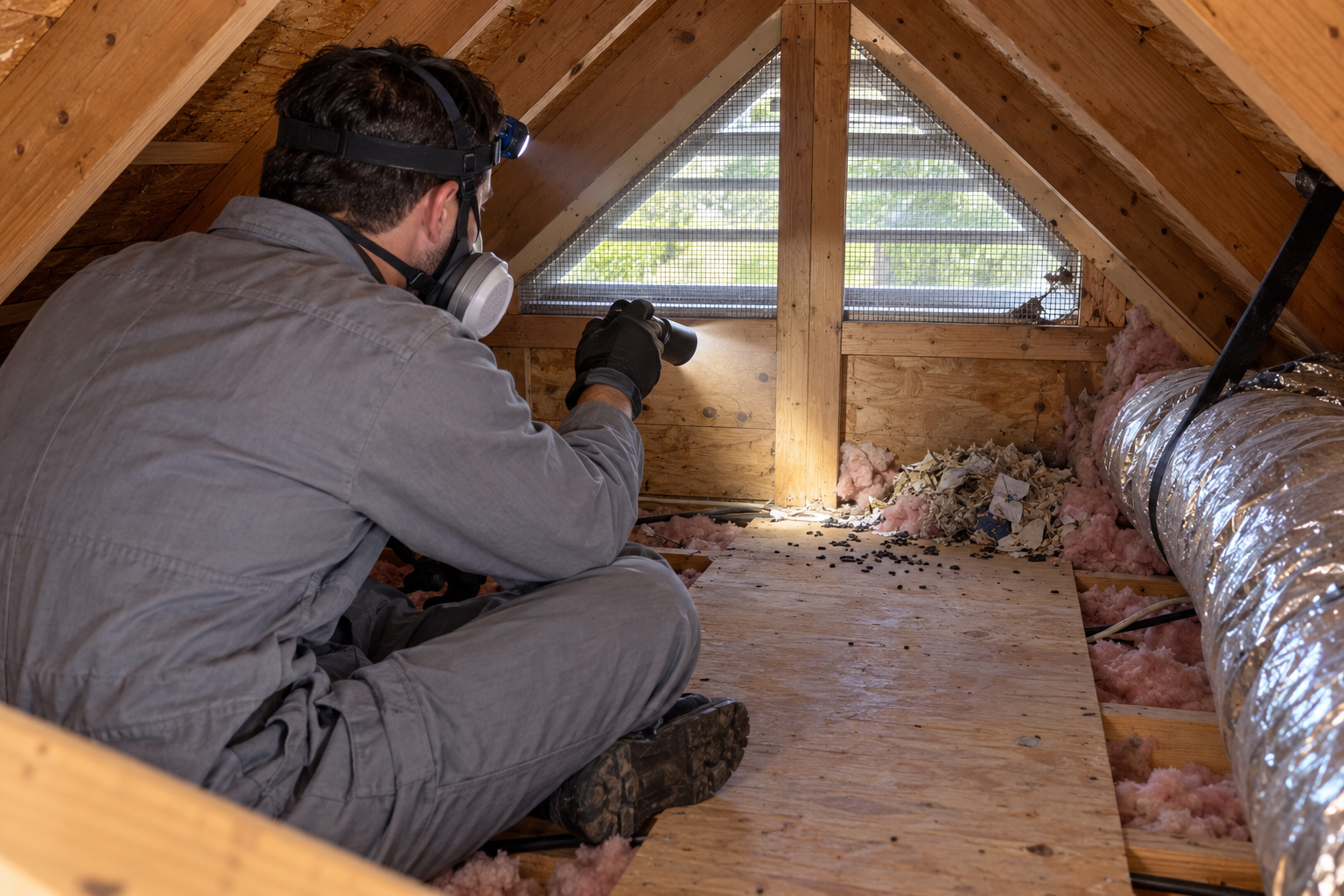
Hearing scratching in the attic is stressful enough. Finding out what it may cost to fix the problem can make the situation feel even more uncertain. The challenge is that Roof Rat Removal does not have one universal price. A small problem with one or two accessible entry points can be very different from an established infestation involving contaminated insulation, multiple roof openings, difficult attic access, or repair work. At Rodent Retreat, we encourage homeowners to look at the complete scope rather than focusing only on the price of trapping rats. Professional Roof Rat Removal Texas service may involve inspection, trapping or other removal methods, exclusion, cleanup, repairs, and follow-up monitoring. The more of those services a property needs, the more the total cost can change.
How Much Does Roof Rat Removal Cost in Texas?
Roof Rat Removal in Texas can range from a few hundred dollars for a smaller, straightforward infestation to significantly more when the job involves extensive exclusion, cleanup, repairs, or difficult attic access. Rodent Retreat currently cites general professional rodent-removal ranges of about $150 to $300 for small infestations, $300 to $600 for moderate infestations, and $800 or more for severe cases that include cleanup and sealing. Those figures are useful as general planning ranges, not fixed roof-rat quotes. Roof rats often live in attics and elevated areas, so the final price can depend on how many entry points are found, whether insulation has been contaminated, how difficult the roofline is to access, how much trapping or monitoring is required, and whether repair work is needed after removal. A proper inspection is the best way to estimate the actual cost because two homes with similar noises can have very different levels of activity and damage.
What Factors Affect Roof Rat Removal Cost?
The biggest factor is the size and complexity of the infestation. A limited problem found early may require fewer traps, less monitoring, and less cleanup. A larger infestation may involve several nesting areas, more extensive contamination, multiple entry points, and more time spent checking the attic and exterior.
Rodent Retreat lists several common cost factors in its professional rodent removal guide, including infestation size, rodent type, accessibility, cleanup needs, repairs, and ongoing maintenance. Those same factors can strongly influence Roof Rat Removal Texas pricing.
Does the Size of the Infestation Change the Price?
Yes. A few recent signs of roof rat activity may be easier to address than an infestation that has been active for months. Larger infestations can mean more droppings, nesting material, contaminated insulation, damaged wiring, and several travel routes. The CDC notes that droppings and gnaw marks are often the first signs of rodent activity and recommends regular inspection because infestations are easier to control before rodents become well established. That is one reason early action can matter financially as well as practically.
Does Rodent Exclusion Add to the Cost?
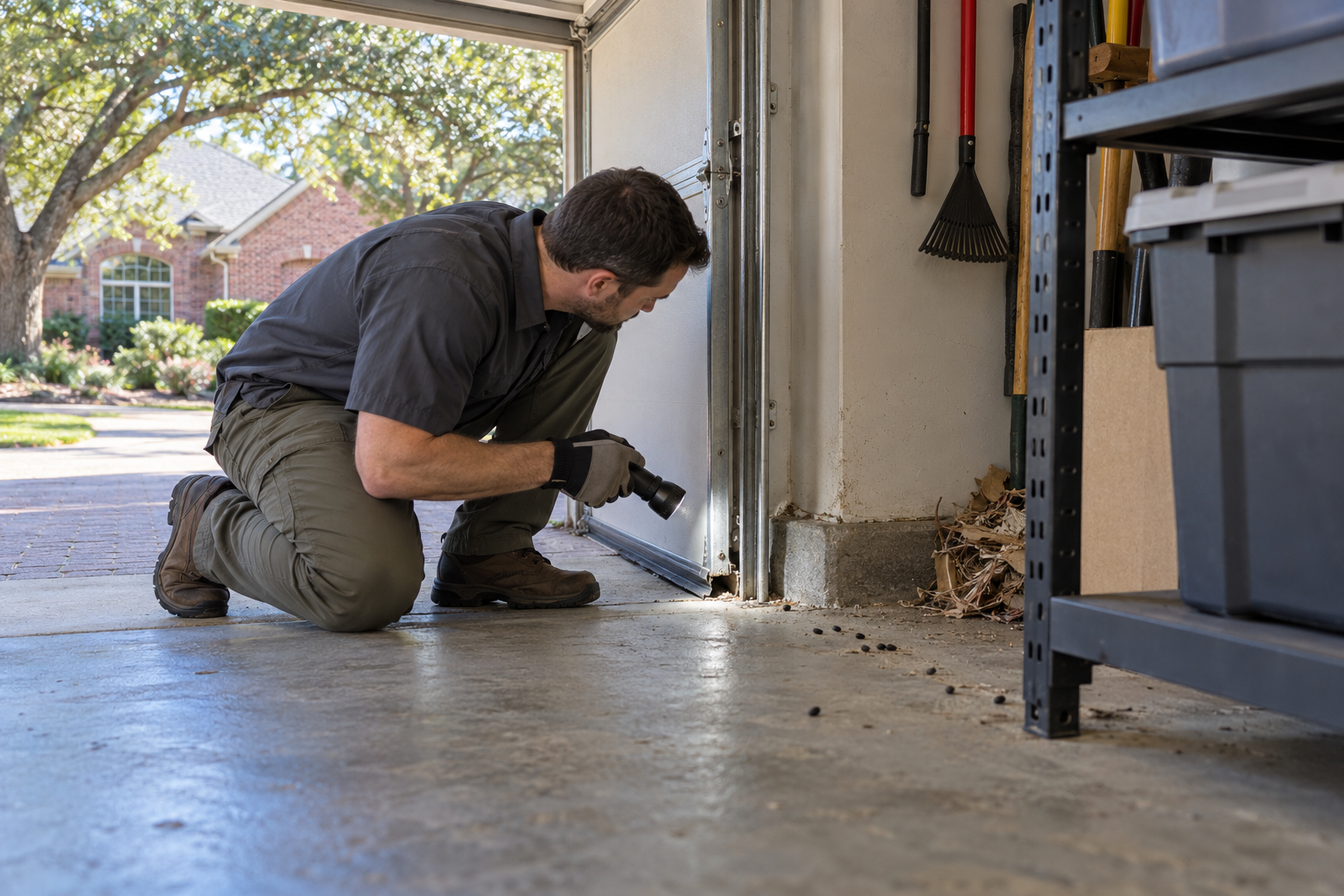
Yes, but exclusion is one of the most important parts of long-term rodent control. Catching roof rats without sealing the openings they used can allow new rodents to enter later. The CDC recommends checking roof rafters, gables, eaves, soffits, attic vents, doors, windows, utility penetrations, and foundations for gaps and holes. The cost of exclusion depends on how many openings need repair and how difficult they are to reach. A single accessible gap is very different from a complicated roofline with multiple damaged vents, soffits, or exterior openings. Rodent Retreat's roof rat removal service combines removal with a customized approach based on the property and infestation.
Does Attic Cleanup Increase Roof Rat Removal Cost?
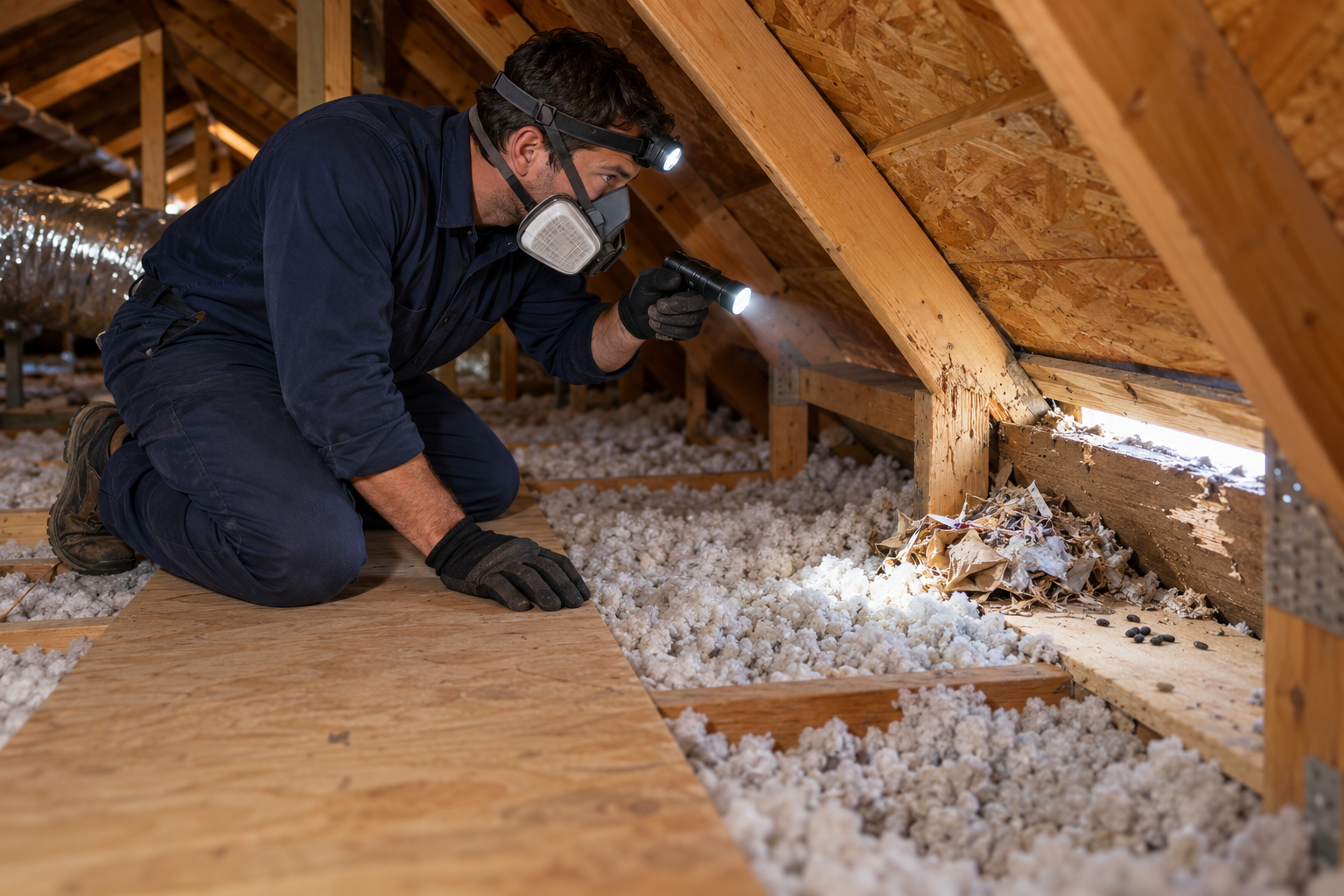
It can. Roof rats may leave droppings, urine, nesting material, and contaminated insulation behind. The CDC specifically warns against sweeping or vacuuming dry rodent droppings because contaminated particles can become airborne. It recommends wetting affected material with disinfectant before removal and using additional precautions for heavy infestations. If only a small area is affected, cleanup may be limited. If contamination is widespread across insulation or difficult attic spaces, labor and disposal requirements can increase significantly. That is why cleanup should be evaluated separately from simply trapping the rats.
Can Roof Rat Damage Increase the Total Cost?
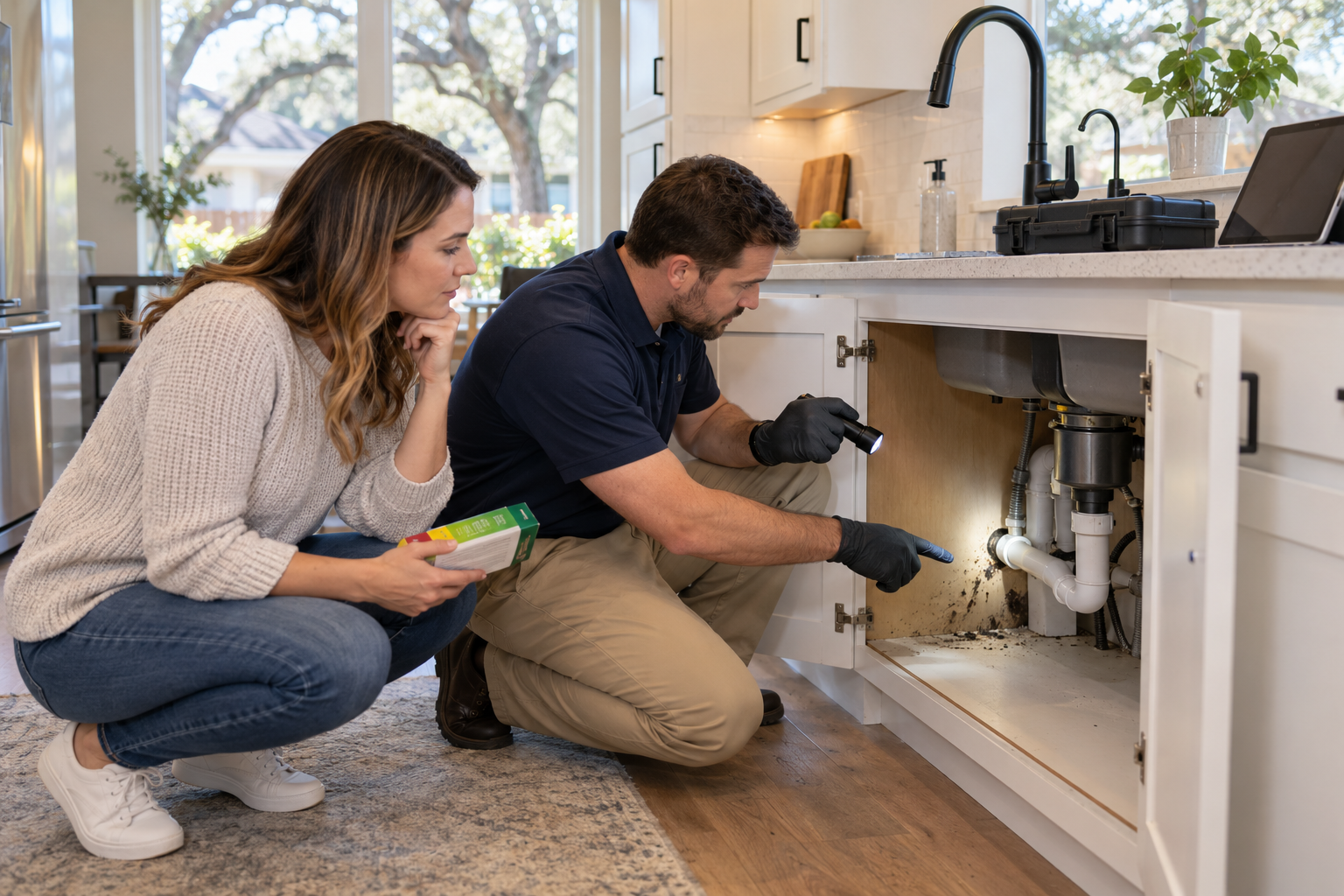
Yes. Roof rats can gnaw on wiring, insulation, wood, stored materials, and other parts of the home. If the infestation has caused property damage, the final cost may include repair work in addition to removal. Rodent Retreat's article on where roof rats hide in Texas homes explains that roof rats may be found in attics, walls, under decks, behind appliances, and other less obvious areas. The farther the infestation spreads, the more areas may need inspection, cleanup, or repair.
Is DIY Roof Rat Removal Cheaper?
At first, yes. Buying traps is usually cheaper than hiring a professional service. The bigger question is whether the DIY approach solves the complete problem.
The CDC recommends trapping rodents while also inspecting the home to determine how they entered. It advises continuing trapping until there are no new signs of activity. If you catch one rat but leave several entry points open, the problem can return. Repeated trapping, cleanup, and repair can make an incomplete DIY solution more expensive over time. Our guide on DIY pest control versus professional pest control in Flower Mound explains why small problems may sometimes be handled by homeowners, while recurring or hidden infestations often benefit from professional inspection.
How Do You Know if Roof Rat Removal Will Cost More?
Certain warning signs may indicate a larger job.
These include:
- Droppings in several areas
- Scratching in multiple parts of the attic or walls
- Strong odors
- Damaged insulation
- Chewed wiring
- Multiple exterior openings
- Contaminated HVAC areas
- Repeated activity after trapping
The CDC recommends professional rodent assistance when rodents have entered heating and cooling ventilation systems because of the added cleanup and contamination concerns. A detailed inspection is the best way to determine whether the infestation is limited or more extensive.
Does Professional Roof Rat Removal Include Follow-Up Visits?
It may, depending on the company and service plan. Roof rat activity often needs monitoring because rats can be cautious around new traps and because technicians need to confirm that activity has stopped. Rodent Retreat's Texas roof rat removal approach includes inspection, customized removal strategies, exclusion, and prevention guidance. When comparing estimates, ask whether follow-up inspections or monitoring are included or priced separately. That makes it easier to compare complete scopes instead of just the initial visit.
Are Texas Pest Control Companies Required to Be Licensed?
Yes, structural pest control businesses operating in Texas are subject to state licensing requirements. Texas Occupations Code Chapter 1951 states that a business may not engage in structural pest control unless it holds the required business license and operates under the direct supervision of a certified commercial applicator. For homeowners, this is another reason to evaluate more than price. Ask who is performing the work, what services are included, and whether the provider is properly licensed for the work being offered.
Is Professional Roof Rat Removal Worth the Cost?
It can be, especially when the infestation involves attics, hidden entry points, contamination, or repeat activity. Professional service adds value through inspection and diagnosis. The technician is not only trying to catch the rat. The goal is to determine how it entered, where it is traveling, what needs to be cleaned, and what openings should be sealed. The CDC's own rodent-control guidance combines trapping, exclusion, sanitation, and prevention rather than relying on one step alone. That same complete approach is what makes professional Roof Rat Removal Texas service more useful than simply comparing trap prices.
Why Choose Rodent Retreat for Roof Rat Removal?
At Rodent Retreat, we understand that every roof rat infestation is different. Our roof rat removal service in Texas starts with evaluating the property and signs of activity so the plan can be matched to the actual problem. We look at infestation size, attic access, likely entry points, nesting areas, exterior conditions, and any cleanup or repair concerns. Rodent Retreat also emphasizes customized service and transparent pricing rather than treating every infestation as the same job. That helps homeowners understand why a project costs what it does and which parts of the service are designed to reduce the chance of the problem returning.
Frequently Asked Questions
What Is the Average Cost of Roof Rat Removal?
There is no single Texas average that applies to every roof rat infestation. Rodent Retreat currently cites general professional rodent removal ranges of about $150 to $300 for small infestations, $300 to $600 for moderate cases, and $800 or more for severe infestations that include sealing and cleanup. Roof-rat-specific costs may be higher or lower depending on attic access, exclusion needs, contamination, and repairs.
Why Is Roof Rat Removal More Expensive Than Setting Traps?
Professional removal may include inspection, trapping, monitoring, exclusion, cleanup, and repair planning. A trap addresses only the animal that encounters it. Professional service also looks for how the rats entered and what needs to change so new rodents cannot easily use the same route.
Does Roof Rat Removal Include Sealing Entry Points?
That depends on the service package. Exclusion may be included or quoted separately based on the number and complexity of openings. Ask specifically whether vents, roof gaps, soffits, utility openings, and other access points are included in the estimate.
Does Homeowners Insurance Cover Roof Rat Damage?
Coverage varies by policy. Many homeowners policies limit or exclude damage caused by rodents or routine pest infestations, but exact terms differ. Homeowners should review their policy or contact their insurer before assuming removal or repairs are covered.
How Long Does Roof Rat Removal Take?
The timeline depends on infestation size, rat behavior, trapping success, attic access, and exclusion work. The CDC recommends continuing trapping until there are no new signs of rodents, so larger infestations may require more time and monitoring than small problems.
Can I Get an Exact Roof Rat Removal Price Over the Phone?
Usually not without enough information about the property. The number of rats, attic condition, entry points, contamination, access, and repair needs can all affect the scope. An on-site inspection usually provides a much more reliable estimate than a generic phone quote.
Final Thoughts
The cost of Roof Rat Removal depends on much more than the number of rats. Inspection, attic access, trapping, exclusion, contaminated insulation, repairs, cleanup, and follow-up service can all affect the final price. A small infestation found early may stay relatively limited. A long-running problem involving multiple entry points and attic contamination can become much more expensive. The best way to understand the cost is to identify the full scope before choosing a solution. Professional Roof Rat Removal Texas should give you a clearer picture of both the current infestation and what needs to be done to reduce the chance of another one.
Get a Roof Rat Removal Estimate Based on Your Home
If you are hearing scratching in the attic, finding droppings, or seeing signs of roof rats around your Flower Mound property, contact Rodent Retreat. We can inspect the property, identify likely entry points and activity areas, and provide a removal plan based on the actual condition of your home rather than a generic price estimate.
Follow our social media pages below: