DIY Pest Control vs Professional Pest Control in Flower Mound
Seeing a few ants near the kitchen or hearing one suspicious noise in the attic usually leads to the same question: can you handle the problem yourself, or is it time to call a professional? For some small problems, DIY Pest Control can be useful. Cleaning up food, sealing a visible gap, removing standing water, or correctly using a store-bought product may help with limited pest activity. The harder part is knowing when the problem is bigger than it looks. At Rodent Retreat, we see homeowners try one treatment after another while the real entry point, nest, moisture problem, or food source remains untouched. That is where professional Flower Mound pest control becomes more valuable. The right choice depends on the type of pest, the size of the infestation, where it is hiding, and whether you can safely address the source.
Is DIY Pest Control Better Than Professional Pest Control?
DIY pest control can work for small, clearly identified pest problems, but professional pest control is usually more appropriate when an infestation is recurring, difficult to locate, potentially hazardous, or affecting hidden areas of the home. Homeowners can often help prevent pests by sealing small openings, removing food and water sources, reducing clutter, cleaning spills, and following pesticide labels carefully. The U.S. Environmental Protection Agency recommends an Integrated Pest Management approach that combines prevention, monitoring, accurate pest identification, exclusion, and targeted treatment instead of relying only on pesticides. Professional technicians bring additional value when the source is not obvious because they can inspect attics, crawl spaces, wall openings, rooflines, foundations, and other areas where pests may hide. They can also identify whether you are dealing with ants, rodents, cockroaches, termites, or another pest before choosing a treatment. The best option is therefore not simply DIY versus professional service. It is matching the response to the pest, the risk, and the size of the problem.
When Does DIY Pest Control Make Sense?
DIY methods can be reasonable when the problem is small and easy to identify. Examples might include a limited ant trail, one or two spiders, a small amount of standing water attracting mosquitoes, or a visible gap around a door that can be sealed. The EPA recommends reducing pest access to food, water, and shelter as a first line of defense. That includes keeping food sealed, removing garbage, fixing leaks, eliminating standing water, and closing entry points. These are practical homeowner tasks and can make a big difference. The problem starts when DIY treatment becomes repeated treatment without solving the underlying cause.
When Should You Call a Professional Pest Control Company?
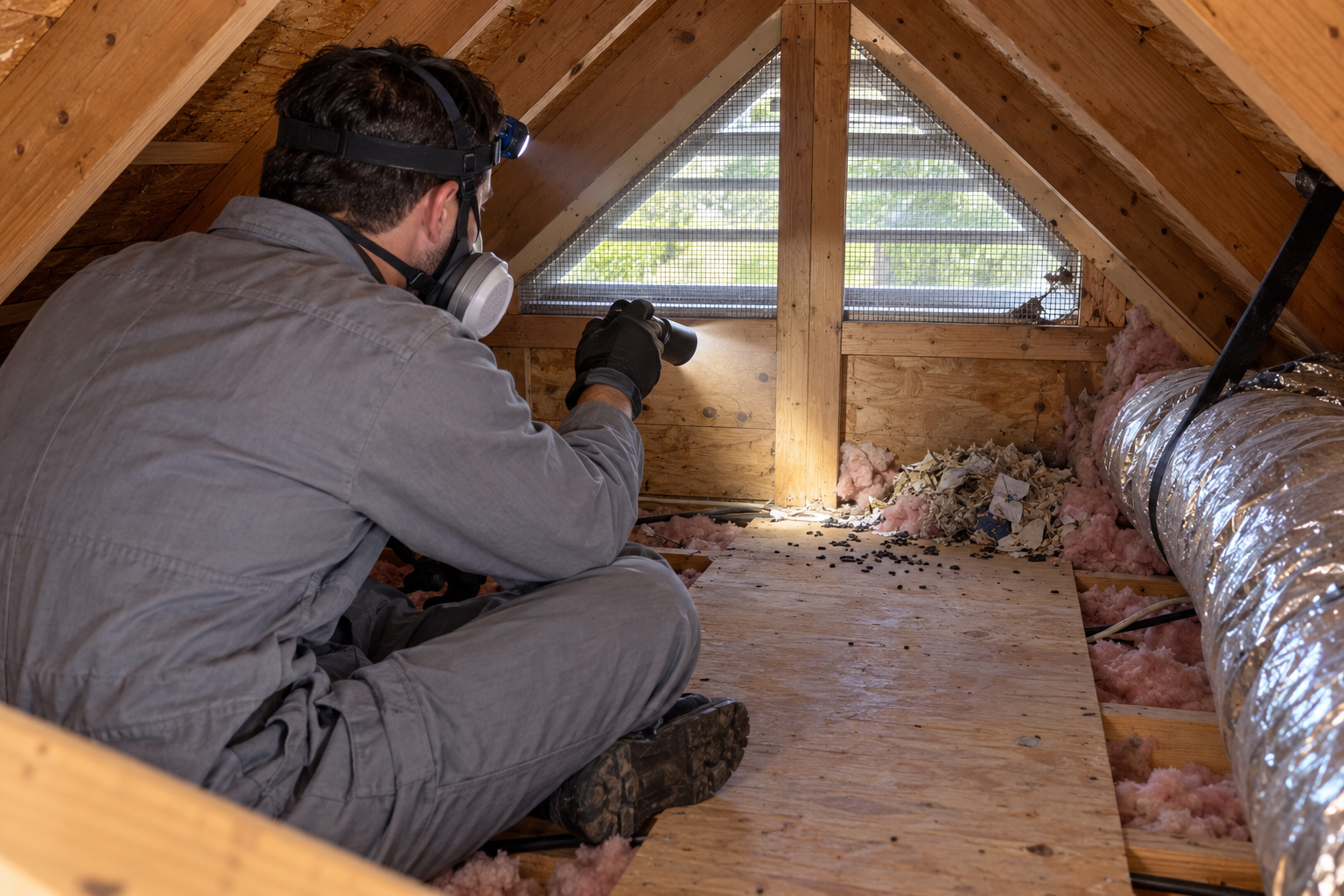
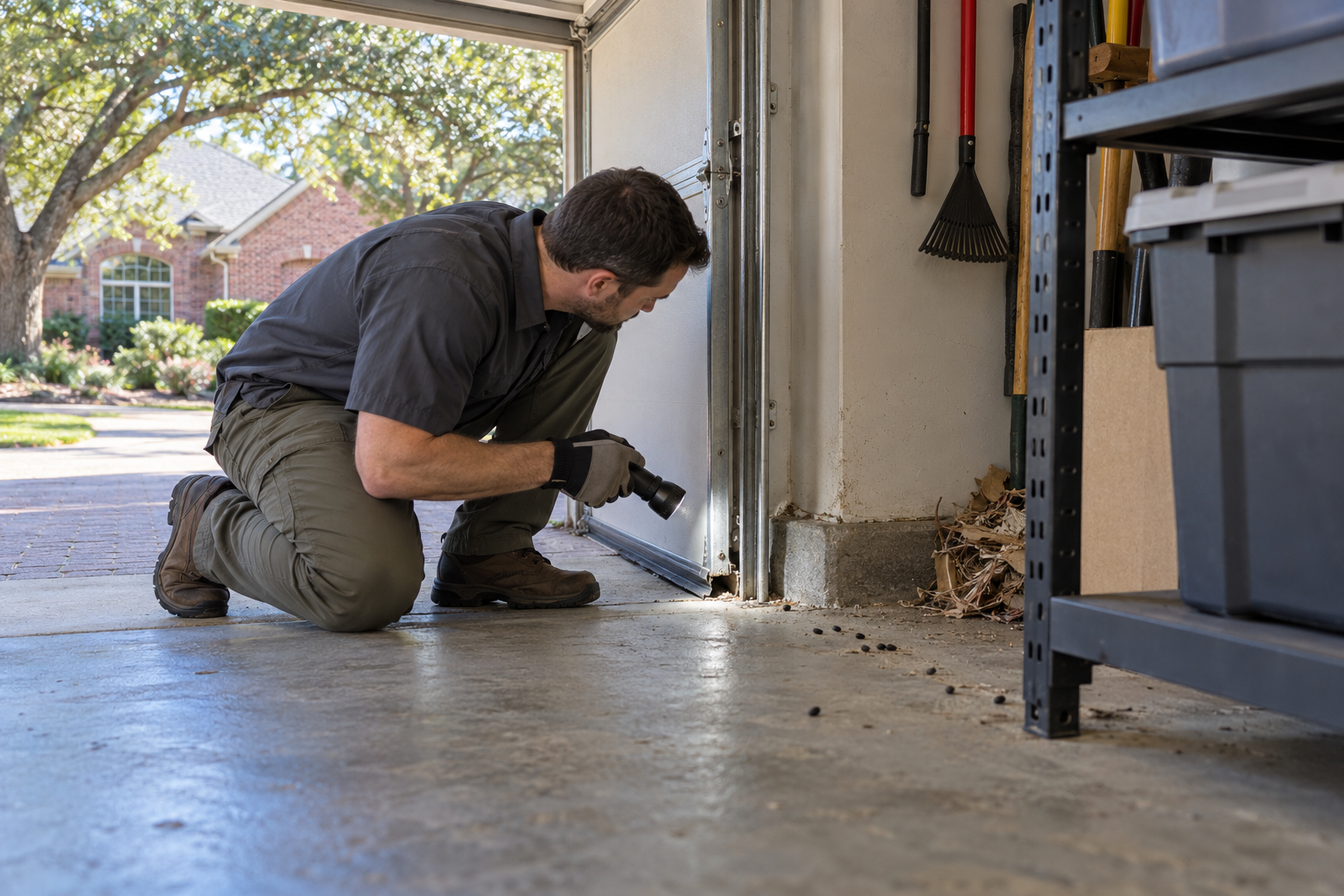
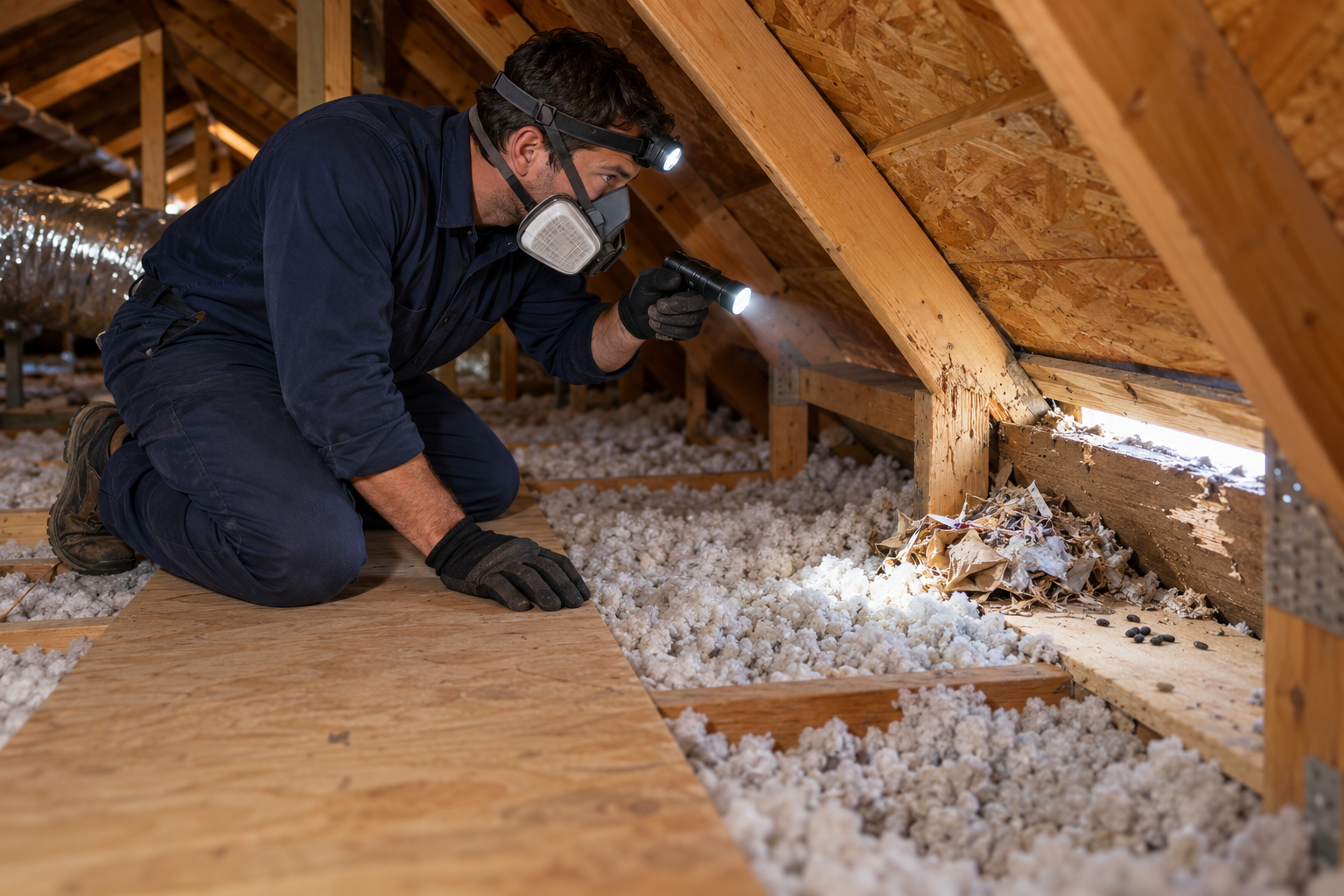
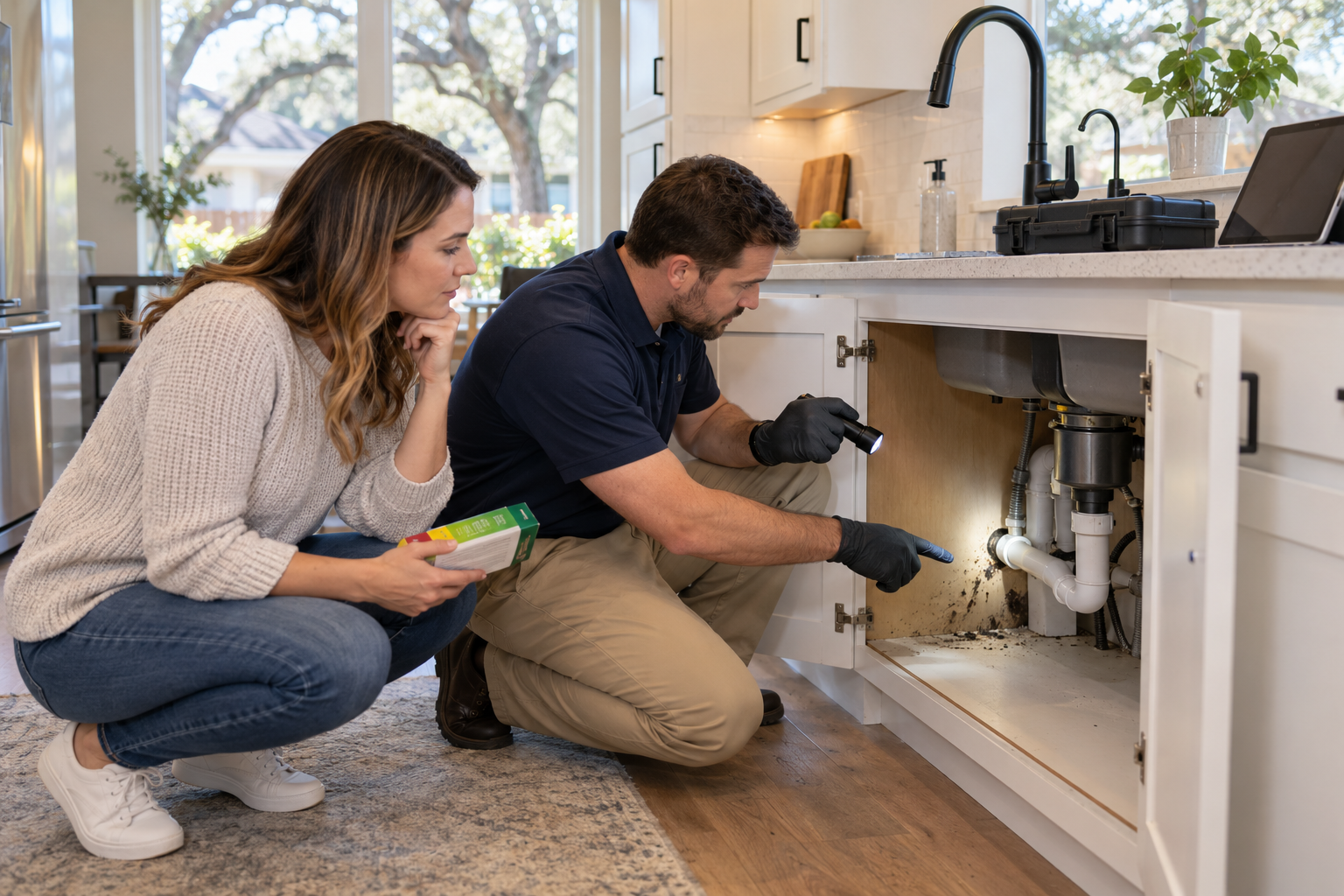
Professional help makes more sense when pest activity continues despite basic prevention or when the infestation is in a difficult location. That can include rodents in attics or walls, recurring cockroaches, suspected termite activity, repeated ant invasions, persistent wasp problems, or pests entering through roof or foundation gaps. Rodent Retreat's guide to professional pest control inspections in Flower Mound explains that inspections focus on hidden activity, entry points, moisture, nesting areas, and structural conditions that homeowners may not easily see. That broader inspection is often the biggest difference between DIY treatment and professional pest control services.
Why Does Pest Identification Matter?
Different pests require different solutions. Treating the wrong pest can waste time and money while allowing the infestation to continue. For example, ants may be entering because of food or moisture, rodents may be using an attic opening, and mosquitoes may be breeding in standing water.
The EPA's Integrated Pest Management guidance emphasizes understanding the pest and its life cycle before choosing a control method. Professional flower mound pest control should therefore begin with identification rather than simply applying the same product to every problem.
Is Professional Pest Control Safer Than DIY Treatment?
Professional service can reduce some risks because trained technicians know how and where control products should be used. However, both homeowners and professionals still need to follow product labels and safety requirements. The EPA advises consumers to read pesticide labels carefully and use products exactly as directed. It also recommends prevention and targeted treatment to reduce unnecessary pesticide exposure.
DIY treatment becomes more concerning when homeowners combine products, use more than the label allows, or place pesticides where children or pets can reach them. More product does not automatically mean better pest control.
Is DIY Rodent Control Effective?
It can be effective for a small rodent problem when trapping is done correctly, and entry points are also addressed. The CDC recommends setting traps where rodent activity is present and continuing until there are no new signs. It also advises checking inside and outside the home to find how rodents entered.
That second step is important. Catching one mouse or rat does not prevent another from using the same opening. Rodent Retreat's guide on building and maintaining a rodent-resistant home explains how gaps around roofs, vents, doors, walls, and foundations can allow rodents into protected areas of a home.
What Are the Risks of DIY Rodent Cleanup?
Rodent cleanup requires more care than simply sweeping up droppings. The CDC specifically advises against sweeping or vacuuming dry rodent urine, droppings, or nesting materials because contaminated particles can become airborne. Instead, affected material should be thoroughly wetted with disinfectant before cleanup. Heavy infestations may require additional precautions. The CDC also advises contacting professional rodent extermination services when rodents have entered heating and cooling ventilation systems. This is one situation where professional service may be safer and more practical than DIY cleanup.
Does Professional Pest Control Last Longer?
It can, especially when the service addresses the cause rather than only the visible pest. A professional program may include inspection, exclusion, sanitation recommendations, targeted treatment, and follow-up monitoring. Rodent Retreat's seasonal pest control guide explains why pest pressure changes throughout the year and why prevention should adjust with the season. Spring may bring more ant activity. Summer can increase mosquito and wasp problems. Cooler weather may push rodents indoors. A long-term plan can respond to those changes instead of waiting for every new infestation to become obvious.
Is Professional Pest Control More Expensive Than DIY?
The upfront cost is usually higher than buying a trap, bait, or spray yourself. But price alone does not show which option costs less overall. If DIY treatment works the first time, it may be the more economical choice. If the infestation keeps returning, repeated products, damaged materials, contaminated insulation, or ongoing repairs may make the problem more expensive over time. Rodent Retreat's guide on timely pest control services explains how recurring pest problems can become harder to manage when the underlying cause is not addressed. The better question is whether the treatment is actually solving the problem.
How Can You Make DIY Pest Control More Effective?
Start with prevention rather than immediately reaching for a pesticide. Remove food sources, clean spills, repair leaks, eliminate standing water, keep trash covered, reduce clutter, and inspect common entry points. Seal gaps when appropriate. The EPA recommends this combination of sanitation, exclusion, monitoring, and targeted treatment as part of Integrated Pest Management. For rodents specifically, the CDC recommends sealing holes and reducing available food, water, and shelter. Rodent Retreat's complete Flower Mound pest control guide also covers seasonal inspections, exclusion, sanitation, and targeted pest management for local homes.
What Are Signs DIY Pest Control Is Not Working?
Repeated pest activity is the clearest sign.
If you keep treating the same ants, catching rodents, seeing cockroaches, or hearing activity in walls without the problem ending, something may still be attracting or admitting pests.
Other warning signs include:
- New droppings after trapping
- Increasing pest sightings
- Multiple rooms becoming affected
- New entry holes or gnaw marks
- Nesting material
- Pest activity inside walls or attics
- Repeated treatment with only temporary results
At that point, another store-bought product may not provide the missing answer. A professional inspection may reveal what the DIY approach has not addressed.
Why Choose Rodent Retreat for Flower Mound Pest Control?
At Rodent Retreat, we believe effective pest control starts with understanding what is happening on the property. Our pest control Flower Mound service focuses on identifying the pest, locating activity, checking entry points, and developing a plan suited to the specific problem. That means we do not want to rely on a one-size-fits-all treatment. A rodent in the attic needs a different strategy from ants in the kitchen or pests attracted to standing water outside. For homeowners comparing DIY methods with professional flower mound pest control, our goal is to explain what we find and recommend the level of service that actually fits the situation.
Frequently Asked Questions
Is DIY Pest Control Worth Trying First?
Yes, for minor and clearly identified problems. Cleaning, sealing gaps, removing standing water, and correcting food or moisture sources are sensible first steps. Carefully labeled homeowner products can also be appropriate in some situations. If pest activity continues, spreads, or involves areas you cannot safely inspect, professional help becomes more valuable.
Can I Spray My House for Pests Myself?
Homeowners can use pesticides labeled for residential use, but the label must be followed exactly. The EPA emphasizes using pesticides responsibly and only as directed. Applying more product, mixing chemicals, or treating unnecessary areas can increase risk without improving results. Prevention and targeted treatment should come first.
Why Do Bugs Keep Coming Back After I Spray?
The treatment may be killing visible pests without correcting the conditions attracting them. Food, moisture, hidden nests, cracks, or exterior entry points may still be present. A professional inspection can help identify why the infestation keeps returning rather than repeatedly treating the same symptoms.
Can Professional Pest Control Prevent Every Pest?
No service can guarantee that pests will never approach your home again. Professional pest control can reduce the likelihood of infestations by combining exclusion, sanitation, monitoring, and targeted treatment. Seasonal changes and changes around the property can create new pest pressure over time.
Should I Call a Professional if I Find Rodent Droppings?
Consider professional help if droppings are widespread, keep returning, appear inside inaccessible spaces, or suggest a larger infestation. The CDC recommends special cleanup precautions and advises against sweeping or vacuuming dry droppings.
How Do I Know if I Need Ongoing Pest Control?
Ongoing service may make sense if you have recurring infestations, strong seasonal pest pressure, wooded surroundings, nearby water, repeated rodent activity, or structural conditions that regularly attract pests. Rodent Retreat's Flower Mound inspection guide explains how routine inspections can help identify new pest activity before it develops into a larger problem.
Final Thoughts
DIY and professional Pest Control both have a place. A minor pest problem may respond well to simple sanitation, exclusion, monitoring, or correctly used homeowner products. The situation changes when pests keep coming back, enter hidden areas, create contamination, or cannot be identified confidently. That is when professional inspection becomes more valuable. The best pest control strategy is not the one that uses the most products. It is the one that identifies what is attracting the pest, how it is entering, and what needs to change to reduce the chance of recurrence.
Know When a DIY Fix Is Enough and When It Is Time for Help
If you have already tried basic pest-control steps but activity keeps returning, contact Rodent Retreat. We can inspect your Flower Mound property, identify the pest and likely entry points, and help you decide whether targeted treatment, exclusion, monitoring, or a broader pest-management plan makes the most sense.
Follow our social media pages below: