The Complete Homeowner's Guide to Flower Mound Pest Control in 2026
Owning a home in Flower Mound means enjoying beautiful neighborhoods, mature trees, and a warm Texas climate, but those same conditions also create an ideal environment for insects and rodents. From ants invading kitchens after heavy rain to rodents seeking shelter during cooler months and termites silently damaging wooden structures, pests can become costly problems when ignored. The most effective Flower Mound pest control strategy is prevention. Understanding why pests enter homes and addressing those conditions early helps homeowners avoid larger infestations and costly repairs.
Protecting a home requires more than occasional treatments. A consistent routine that combines sanitation, exclusion, seasonal inspections, and targeted pest management creates lasting results. Whether you're new to the area or have lived in North Texas for years, this guide explains how Flower Mound pest control works, why Integrated Pest Management is recommended, and how homeowners can protect their property throughout every season.
What Are The 3 C's Of Pest Control?
The three C's of pest control are cleaning, closing, and controlling. Cleaning focuses on eliminating the food, water, and shelter that attract unwanted pests into the home. Simple habits such as wiping kitchen counters, storing pantry items in sealed containers, removing trash regularly, cleaning pet food areas, and eliminating standing water make a property far less attractive to insects and rodents. Maintaining these routines throughout the year creates the foundation for successful Flower Mound pest control because pests are far less likely to settle where essential resources are unavailable. Preventative cleaning also reduces the need for repeated treatments by removing many of the conditions that allow infestations to grow.
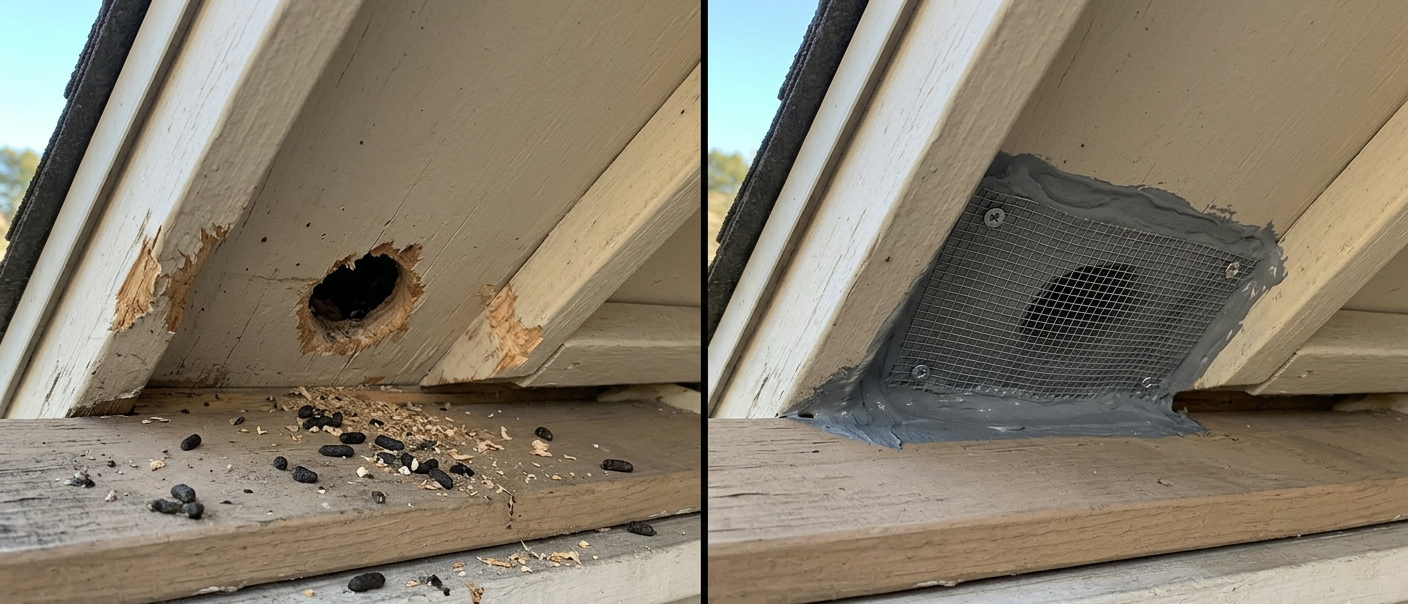
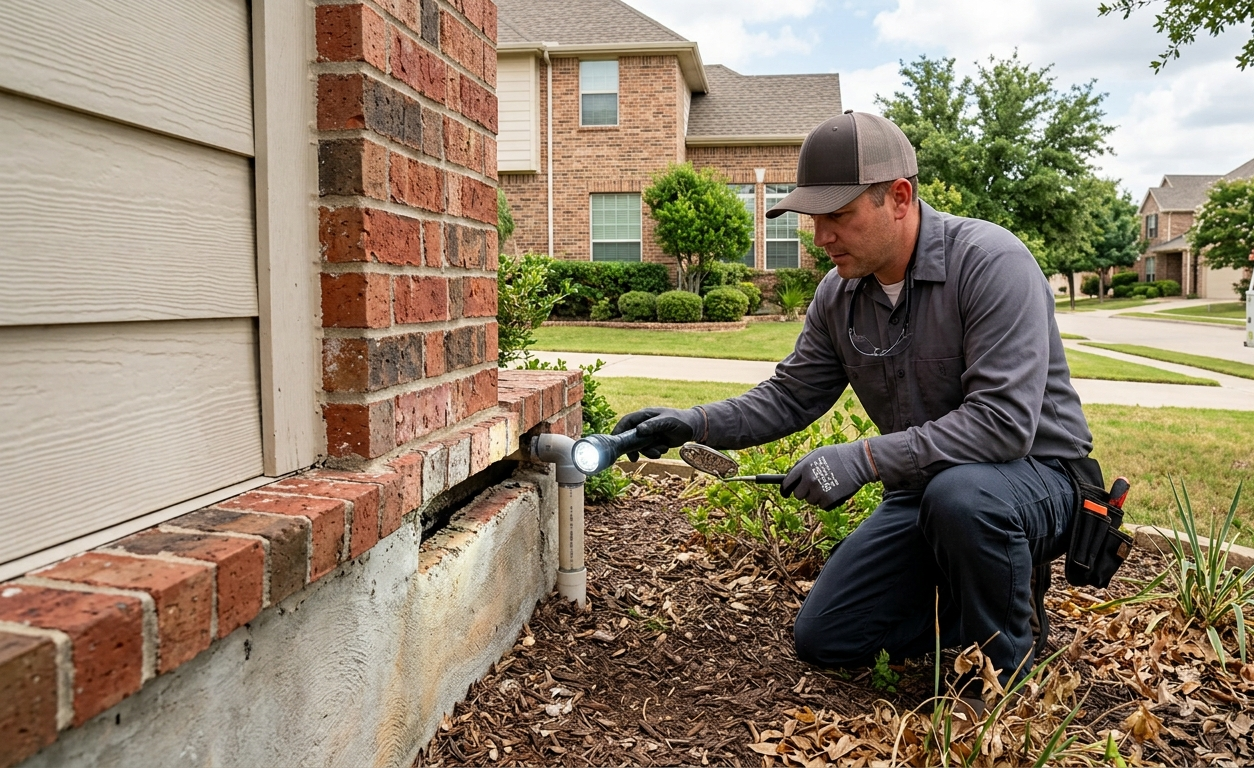
Closing refers to keeping pests from entering the home in the first place. Small gaps around utility lines, damaged weatherstripping, torn window screens, foundation cracks, roof vents, and openings beneath doors often provide easy access for rodents and insects. Homeowners should routinely inspect these vulnerable areas and complete repairs before seasonal pest activity increases. Many neighborhoods feature mature trees, irrigation systems, and wooded greenbelts that naturally support wildlife, making exclusion especially important for effective Flower Mound pest control. Even small repairs can significantly reduce future pest problems while protecting the home's overall structure.
Controlling is the final step and involves monitoring pest activity before it becomes a major infestation. This may include traps, exclusion work, targeted treatments, or professional inspections depending on the type of pest involved. At Rodent Retreat, we believe successful Flower Mound pest control begins with prevention rather than reacting after pests have already established themselves. We help homeowners identify the underlying causes of pest activity and recommend practical improvements to support long-term protection, rather than relying solely on chemical treatments. Combining cleaning, closing, and controlling creates a comprehensive strategy that keeps homes protected throughout every season.
What Is The Hardest Pest To Get Rid Of?
Some pests are considerably more difficult to eliminate because they reproduce rapidly, remain hidden for long periods, or continuously search for new entry points. Termites, bed bugs, German cockroaches, rodents, and certain ant species are among the most challenging infestations homeowners face. Termites often go unnoticed for months, causing structural damage inside walls and crawl spaces. Bed bugs hide in furniture, mattresses, electrical outlets, and tiny crevices that are difficult to inspect thoroughly. German cockroaches reproduce quickly and often survive unless sanitation issues and moisture sources are corrected alongside treatment. These persistent infestations demonstrate why proactive Flower Mound pest control is much more effective than waiting until pests become widespread.
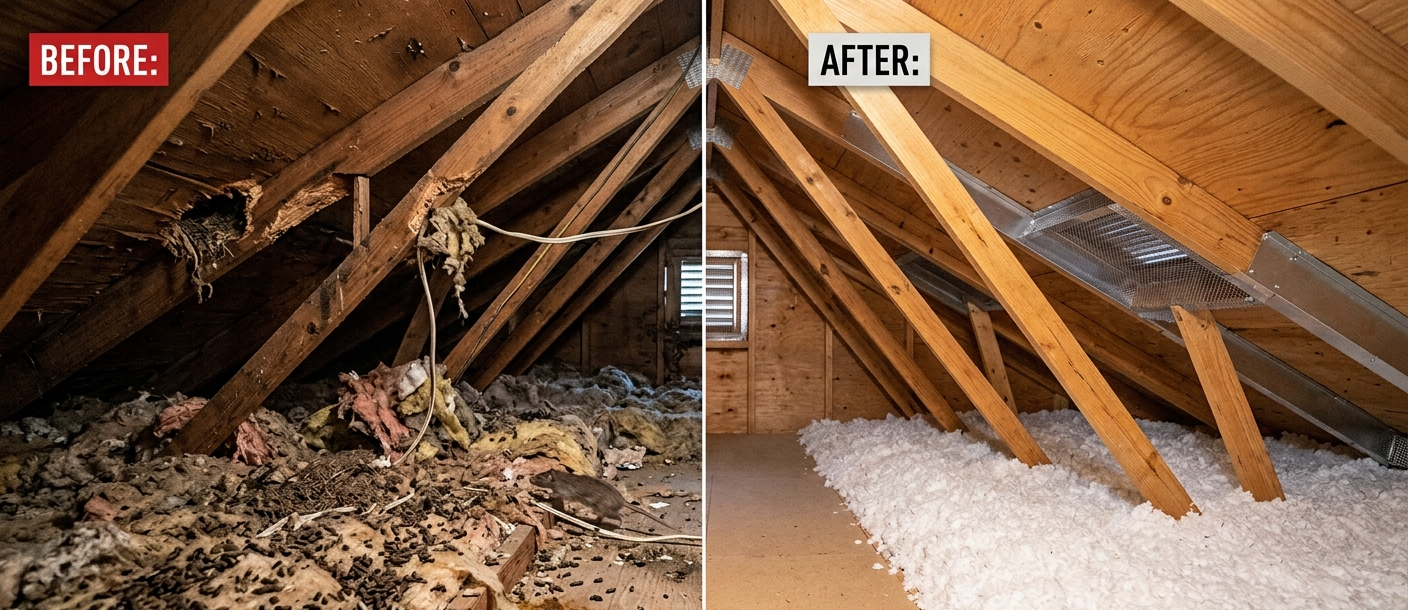
Rodents pose a different challenge because they constantly seek new opportunities to enter homes. Removing existing mice or rats solves only part of the problem if entry points remain open. Proper exclusion work, including sealing foundation gaps, repairing roof openings, screening vents, and protecting utility penetrations, is essential for long-term rodent control Flower Mound homeowners can rely on. Ant colonies may also require specialized treatment because eliminating visible worker ants rarely addresses the queen or the colony itself. Every pest requires a different strategy, making accurate identification one of the most important steps in professional pest management.
The
U.S. Environmental Protection Agency recommends an Integrated Pest Management approach that combines prevention, monitoring, sanitation, exclusion, and targeted treatment to reduce pest populations while minimizing unnecessary pesticide use. This is also an excellent opportunity to request quotes from several companies when comparing pest control providers in Flower Mound, TX. Reviewing inspection methods, warranties, treatment plans, follow-up services, and prevention strategies often provides greater value than comparing prices alone. At Rodent Retreat, every Flower Mound pest control plan is customized to the property's unique conditions, ensuring homeowners receive solutions that address current infestations and support future prevention.
What Are The 4 Principles Of IPM?
Integrated Pest Management, commonly known as IPM, is a long-term approach that focuses on preventing pest infestations rather than reacting after they occur. Rather than relying entirely on pesticides, IPM combines multiple strategies that work together to reduce the conditions pests need to survive. The four core principles of IPM are prevention, monitoring, identification, and control. Together, these principles create a comprehensive Flower Mound pest control strategy that protects homes while reducing unnecessary pesticide applications. Homeowners who understand these principles often experience fewer recurring pest problems because they address the root causes instead of only the visible symptoms.
Prevention is the foundation of every successful pest management program. Homeowners should seal entry points, repair plumbing leaks, reduce excess moisture, trim vegetation away from exterior walls, eliminate clutter, and store food properly. Monitoring involves regularly inspecting both the interior and exterior of the property for early signs of pest activity, including droppings, nesting materials, damaged wood, insect trails, and moisture issues. Early detection allows problems to be addressed before infestations become extensive. Proper identification is equally important because termites, ants, rodents, mosquitoes, cockroaches, and spiders all require different treatment methods. Misidentifying a pest often leads to ineffective treatments and recurring infestations, making accurate diagnosis essential to effective Flower Mound pest control.
The final principle is control, which involves selecting the most appropriate solution after identifying both the pest and the contributing conditions. Depending on the situation, this may include exclusion work, trapping, habitat modification, targeted treatments, or professional intervention. At
Rodent Retreat, Integrated Pest Management is the foundation of our Flower Mound pest control services, providing homeowners with practical, long-term protection rather than temporary relief. We evaluate why pests entered the property, identify conditions that support their activity, and recommend improvements to reduce future infestations. This comprehensive approach also benefits homeowners seeking termite control services in Flower Mound because preventing future infestations is just as important as eliminating existing colonies.
What Is The Best Pest Control Routine For The House?
The most effective pest control routine combines consistent maintenance with seasonal inspections. Waiting until insects or rodents become visible often means an infestation has already become established, making removal more difficult and expensive. A proactive maintenance schedule allows homeowners to stay ahead of changing seasonal pest activity while protecting both their investment and their family's comfort. Successful Flower Mound pest control is not a one-time service but an ongoing process that adapts to changing weather conditions and pest behavior throughout the year.
Inside the home, maintaining cleanliness remains one of the simplest yet most effective preventive measures. Food should always be stored in tightly sealed containers, crumbs cleaned promptly, garbage removed regularly, and plumbing leaks repaired as soon as they are discovered. Kitchens, bathrooms, laundry rooms, garages, and utility areas deserve extra attention because they frequently provide the moisture and food sources pests require. Outside the home, homeowners should inspect their property several times each year by trimming tree branches away from the roof, cleaning gutters, removing standing water, maintaining proper drainage, and ensuring mulch does not remain directly against exterior walls. Regular exterior maintenance significantly improves pest control efforts in Flower Mound, TX, by reducing common pest entry points and limiting favorable nesting environments.
Seasonal inspections are especially valuable in North Texas because various pests are active year-round. Spring commonly brings ants and termite swarms, summer increases mosquito activity, fall encourages rodents to seek indoor shelter, and winter often drives insects into warmer areas of the home. Homes located near wooded areas, greenbelts, ponds, or open fields may require more frequent inspections because these environments naturally support higher pest populations. At Rodent Retreat, we encourage homeowners to view Flower Mound pest control as routine home maintenance similar to servicing an HVAC system or inspecting a roof. Regular inspections, preventive maintenance, and early intervention help minimize the need for extensive treatments while supporting dependable rodent control in Flower Mound and long-term property protection.
When Should Homeowners Schedule Professional Pest Control?
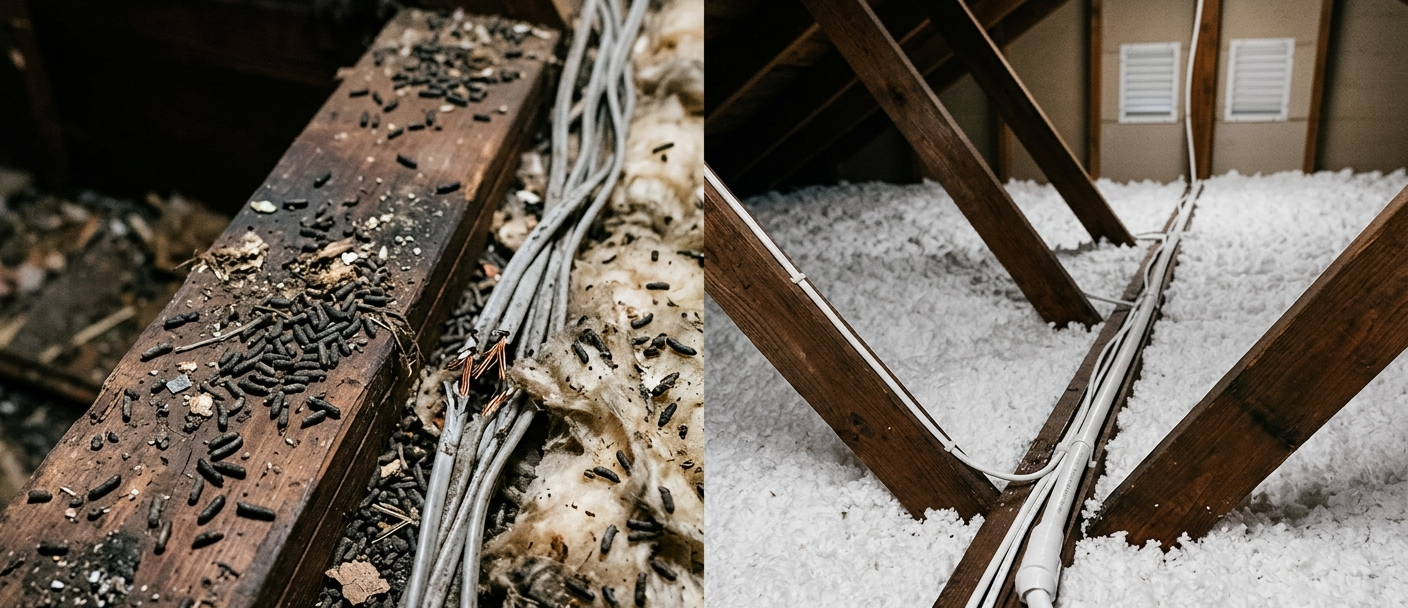
Many homeowners wait until they notice obvious pest activity before scheduling a professional inspection, but preventative service often produces better long-term results. Experienced technicians can identify subtle warning signs that homeowners may overlook, including termite mud tubes, rodent entry points, moisture problems, nesting materials, damaged insulation, or insect activity hidden behind walls and beneath crawl spaces. Early identification allows pest issues to be addressed before they require extensive treatment or costly structural repairs. Preventative Flower Mound pest control services often save homeowners both time and money by reducing the likelihood of severe infestations.
Seasonal timing also plays an important role in professional inspections. Spring is an ideal time to evaluate termite activity, inspect for emerging insect populations, and prepare for increased mosquito activity. Fall inspections help identify potential rodent entry points before cooler temperatures encourage mice and rats to move indoors. Homeowners should also schedule inspections after purchasing a new property, completing major renovations, or noticing warning signs such as scratching noises, unusual odors, insect swarms, damaged wood, or unexplained droppings. Prompt inspections support effective termite control services in Flower Mound while preventing small problems from becoming much larger concerns.
Every property has unique risk factors based on its construction, landscaping, surrounding environment, and maintenance history. Homes located near wooded greenbelts or water sources may require more frequent evaluations than homes in more developed neighborhoods. Professional guidance helps homeowners develop maintenance schedules that match their property's specific needs rather than relying on generic treatment programs. A customized approach to Flower Mound pest control provides stronger long-term protection while minimizing unnecessary treatments throughout the year. For more insights, see
How to Use Steel Wool for Rodent Control (And Why It Works).
Final Thoughts
Keeping pests out of a home requires much more than reacting after an infestation appears. Successful Flower Mound pest control combines prevention, routine inspections, sanitation, exclusion, seasonal maintenance, and targeted treatments when necessary. By understanding why pests enter homes and addressing those conditions early, homeowners can reduce recurring infestations while protecting both their property and their family's comfort.
North Texas presents unique pest challenges year-round due to its warm climate and changing seasons. Ants become active after rainfall; termites remain a constant concern; rodents seek shelter during cooler weather; and mosquitoes thrive wherever standing water is present. Developing a proactive maintenance routine allows homeowners to stay ahead of these seasonal changes while reducing long-term repair costs. Whether your priority is rodent or termite control in Flower Mound, TX, or comprehensive pest control, consistent prevention remains the most effective strategy.
Schedule Your Pest Inspection
If you want greater confidence that your home is protected throughout every season, our team is here to help. We provide customized Flower Mound pest control services that include detailed inspections, rodent exclusion, termite evaluations, preventative maintenance, and targeted treatment plans designed specifically for North Texas homes. Every recommendation is based on your property's unique conditions, so you receive practical solutions that deliver lasting protection.
Contact us today by visiting https://www.rodentretreattexas.com/ to learn more about our services, schedule a professional inspection, and discover how our Flower Mound pest control solutions can help keep your home safe, comfortable, and pest free.
Follow our social media pages below: