How to Spot Early Signs of Rodent Infestation Before It Gets Out of Control

There’s nothing quite like the uneasy feeling that creeps in when you hear faint scratching behind the walls late at night or discover a mysterious hole in a cereal box you know was sealed the day before. As a Dallas-area rodent control company, we talk to homeowners every week who describe the same unsettling moment, the moment they realize they might not be alone in their own home. Rodents are quick, quiet, and remarkably clever, which is why most infestations start small and unnoticed. By the time you see a rodent in broad daylight, the problem has typically been building behind the scenes for weeks or even months.
That’s why understanding how to identify the earliest signs of rodent activity is one of the most powerful things you can do to protect your home. Early detection gives you the advantage, saving you money, preventing extensive damage, and allowing a professional Dallas rodent control service to intervene before the colony becomes established.
In this guide, you’ll learn how to interpret early signals, how to determine whether the issue is new or progressing, and what you should do before things spiral into a full-blown infestation. To enhance search relevance and topic depth, this article naturally incorporates supporting terms like early rodent detection, signs of mice in the house, and preventing rat infestations.
How Long Does It Take to Get Rid of a Rodent Infestation?
Getting rid of a rodent infestation can take anywhere from a few days to several weeks depending on severity, how quickly the rodents were discovered, and the steps taken to remove them. A mild or early infestation, one where rodents have only recently entered the home, may be resolved within a week through well-placed traps and sealing off entry points. More established infestations, however, often require two to six weeks of consistent effort because the rodents have had time to nest, reproduce, and create hidden pathways in attics, walls, and crawl spaces.
Successful rodent control always involves a combination of exclusion, sanitation, and trapping. Using only one approach, such as poison or a few traps, often extends the process because it doesn’t address the root cause. Rapid breeding also plays a significant role.
Rats can produce up to six litters per year, and mice can give birth every three weeks, which means delaying treatment allows the infestation to grow exponentially. The Environmental Protection Agency (EPA) emphasizes the importance of eliminating access to food, water, and shelter; otherwise, new rodents will quickly move in or remaining ones will repopulate. With the right strategy, especially when guided by experienced Dallas rodent control professionals, most homes can be cleared within a predictable and manageable timeframe.
Why Dallas Homes Experience Faster Infestations
Working with homeowners across Dallas has shown us that rodent behavior varies significantly depending on the neighborhood. Homes near White Rock Lake often experience increased rodent activity in the fall because cooler temperatures push mice and rats toward warmer indoor spaces. Older homes in Oak Cliff frequently deal with foundation gaps or aging soffits that create year-round access points. In newer areas such as Lake Highlands, Prestonwood, and parts of North Dallas, the most common issue involves small construction gaps around rooflines, utility lines, and attic ventilation systems.
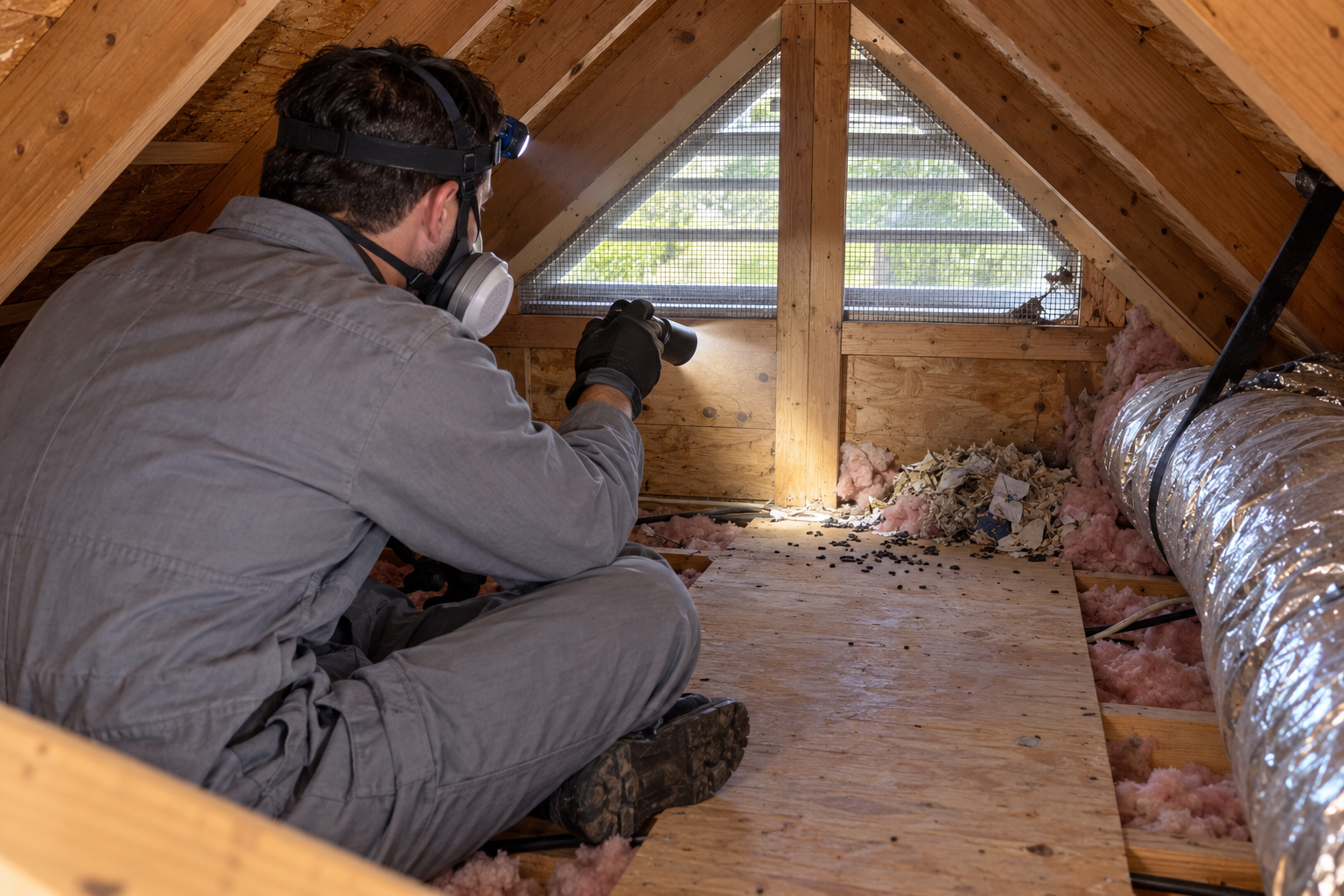
One homeowner in Lake Highlands mentioned that she believed the scratching sounds she heard were simply the house settling during windy nights. After a quick attic inspection, however, we discovered fresh droppings, shredded insulation, and a newly formed nest tucked behind an HVAC line. What seemed like a harmless noise revealed an actively growing infestation.
This scenario is common because rodents thrive in Dallas’s mild winters, plentiful food sources, and rapidly evolving urban layout. Early rodent detection is especially important in our region because homeowners may have active rodent activity long before they ever see one. Rodent Retreat makes a tremendous difference by identifying issues before they escalate.
How to Know If a Mouse Infestation Is Over
Determining whether a mouse infestation is truly over depends on thoroughly checking for the absence of fresh activity. After treatment, you should no longer notice new droppings, fresh gnaw marks, recently shredded insulation, or any scratching or scurrying noises coming from the attic or walls. The disappearance of unpleasant odors is also a positive sign, as is the lack of unusual pet behavior. For example, dogs often stare at walls when rodents are present behind them, and cats may paw relentlessly at cabinets where mice hide.
Another way to verify that the infestation has ended is to monitor trap activity. When traps remain untouched for a period of seven to fourteen days after exclusion and removal, it strongly suggests that the remaining rodents are gone. Professionals typically confirm closure by inspecting sealed entry points, ensuring that food sources are properly stored, and verifying that insulation and sanitation levels in attics and crawl spaces remain consistent.
If you're weighing options for ongoing monitoring, this can be an ideal time to compare Dallas rodent control service plans that offer follow-up visits or preventive programs. The goal is not only to eliminate the current rodents but to ensure they cannot return.
How to Tell if a Rat Is Coming or Going
Determining whether a rat is actively living in your home or simply passing through the exterior is an essential part of preventing rat infestations. The freshness of signs is usually the most revealing factor. Fresh droppings, new gnaw marks, recently disturbed insulation, or newly shredded paper and cardboard all indicate that a rat is currently living inside the home. If these signs appear consistently, especially day after day, the infestation is active.
If you only find occasional droppings near exterior locations such as patio corners or garage edges, the rat may simply be exploring the outer areas. Movement patterns also help clarify the situation. Rats using the same entry point regularly usually leave dark, greasy rub marks behind, created by the natural oils in their fur. These marks become more pronounced with repeated activity. Sound patterns are equally telling. Noises coming from walls or the attic at night often indicate that the rat is nesting inside, while noises from outside areas are typically unrelated to interior nesting.
When conducting Dallas rodent control inspections, we look at all these clues together, sound patterns, rub marks, droppings, nest materials, and even trap behavior, to identify whether the rat is coming or going and to determine the best strategy for resolving the issue. For more insights, see Why Rodent Control in Flower Mound Is Different Than in Other Cities.
What Is Considered a Heavy Rodent Infestation?
A heavy rodent infestation is typically marked by constant activity, widespread evidence, and multiple rodents living or breeding within the home. Homeowners experiencing a severe infestation often report persistent scurrying noises in different areas of the house, daily appearances of fresh droppings, and extensive gnaw marks on food containers, baseboards, wiring, and insulation. The presence of strong odors, damaged ductwork, or visibly contaminated insulation also signals an infestation that has progressed significantly.
Daytime rodent sightings are another major indicator of a heavy infestation. Rodents typically avoid light and stay hidden during daylight hours, so seeing them out in the open usually means the colony has become overcrowded. In these situations, nests tend to be extensive and spread across multiple locations such as walls, attics, closets, and crawl spaces, sometimes involving multiple generations of rodents.
Many homeowners are shocked at how fast a small issue can turn into a heavy infestation, especially given how rapidly rats and mice reproduce. These cases illustrate why early rodent detection is essential and why reaching out to Dallas rodent control professionals early usually results in faster, more affordable solutions.
Early Signs of Rodent Infestation You Should Never Ignore
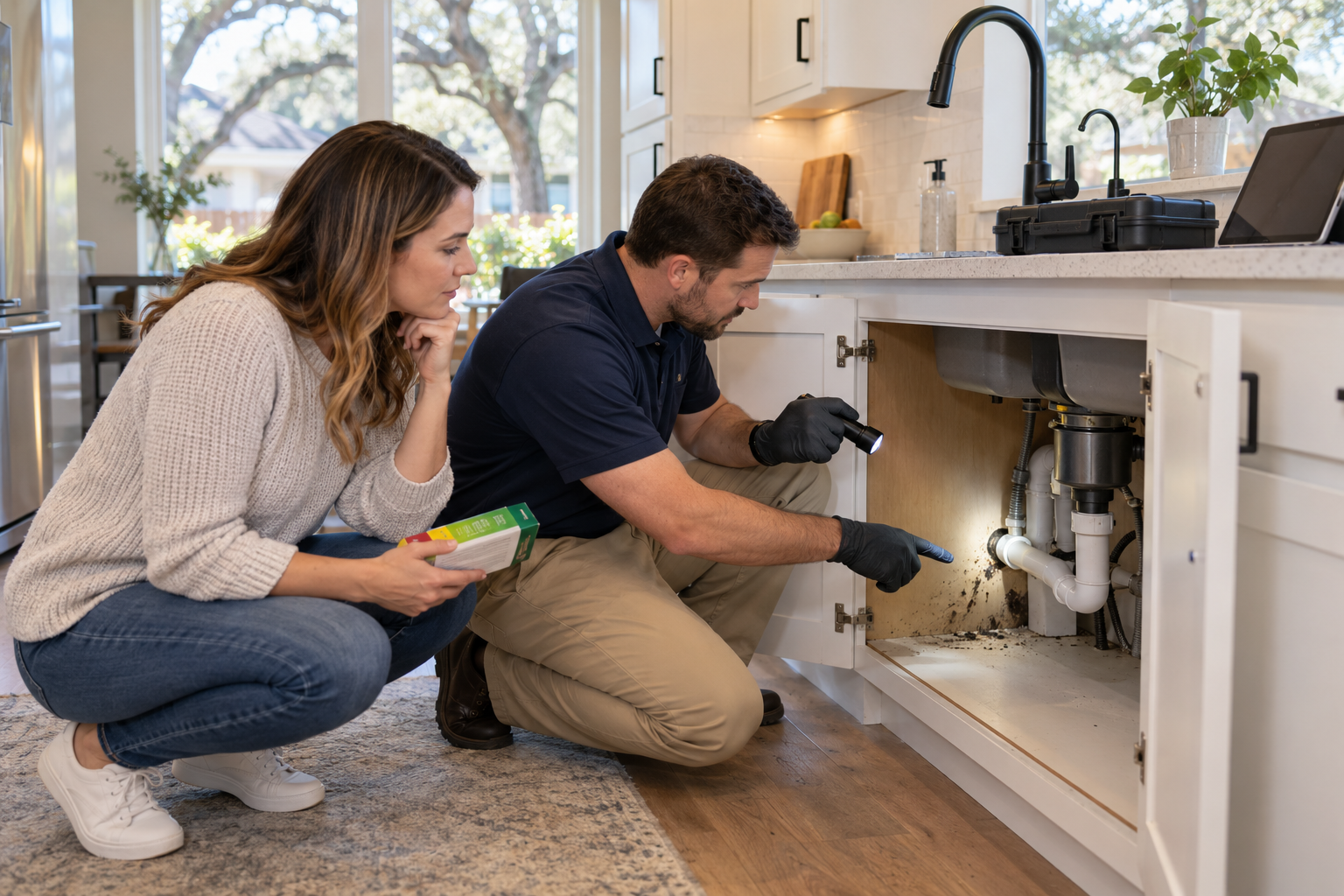
While rodents are excellent at staying hidden, they always leave behind early clues. Some of the most important signs include faint scratching sounds, particularly late at night when the house is quiet. Finding tiny droppings that resemble small black grains of rice is another early indication of rodent presence. Many homeowners also notice pets acting strangely, such as a dog staring intently at the baseboards or a cat pawing at a cabinet, both of which often suggest activity behind those surfaces.
You may also find gnawed food packaging, such as punctured cereal bags or torn snack wrappers, or notices subtle musky odors coming from hidden corners. Small holes in pantry items, shredded bits of paper tucked behind appliances, or smudges and dirt-lined rub marks along walls also provide early warnings.
These clues rarely appear all at once, but when even two or three of them show up, it’s a strong sign that rodents have begun to explore your home. Acting quickly in response to these early signs gives you the best chance of stopping the infestation before rodents spread, nest, and reproduce throughout multiple areas of your property.
Final Thoughts
Spotting the early signs of a rodent infestation is one of the most valuable and empowering skills a homeowner can develop. Rodents rarely reveal themselves in the early stages, which is why subtle clues such as faint noises, light gnawing, or unusual pet behavior matter far more than most people realize. Throughout Dallas, we’ve seen infestations grow quickly simply because small indicators were dismissed or mistaken for harmless house sounds. The sooner you detect rodent activity, the easier, quicker, and more affordable it is to solve the problem.
With the right combination of awareness, professional inspection, and preventive action, you can keep your home safe long before rodents take hold. Staying proactive is not just smart, it is the key to protecting both your peace of mind and the long-term condition of your property. And when you have a trusted Dallas rodent control team on your side, preventing and resolving rodent issues becomes far more manageable than most people expect.
If you’ve noticed early signs of rodent activity or simply want a professional inspection for peace of mind, our team at Rodent Retreat is here to help. You can schedule expert Dallas rodent control services anytime, and we will guide you through every step with clear communication, care, and proven solutions. Reach out when you’re ready, we’re here to protect your home before rodents have the chance to take over.
Follow our social media pages below: