Why Rodent Problems Are So Common In Dallas And Fort Worth
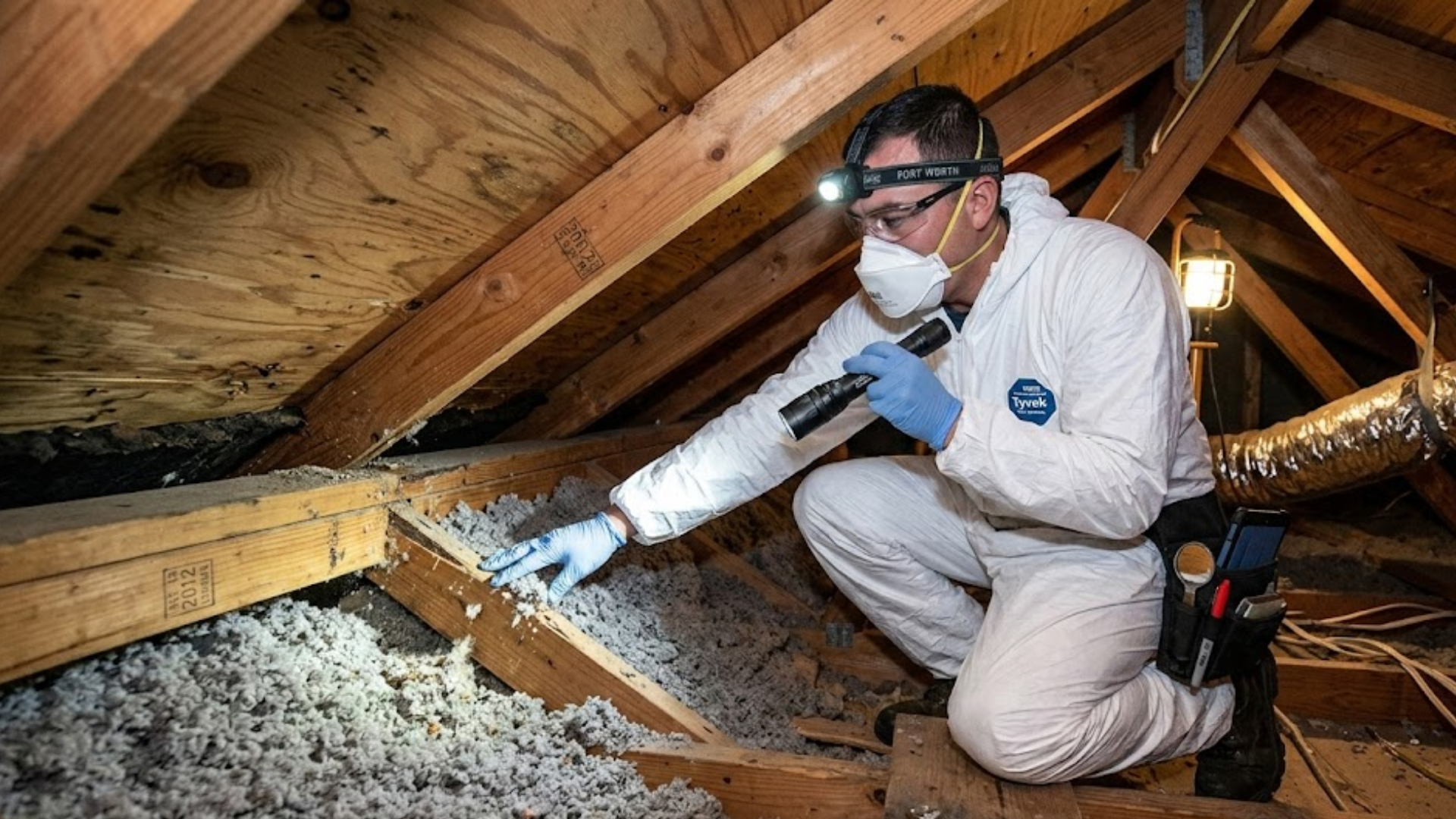
If you live in Dallas or Fort Worth, you have probably heard it. A faint scratching in the attic. Light scurrying inside the walls. Chewing noises that seem louder once the house becomes quiet at night.
Many homeowners are surprised when it happens to them. They assume rodent infestations are rare or limited to older homes. The reality across North Texas is very different. Rodent activity is not unusual. It is persistent.
At Rodent Retreat, we handleRodent Control Fort Worth service calls throughout the year. From new suburban developments to established neighborhoods near downtown, rodents find opportunities wherever shelter and food are accessible. Rodent Control Fort Worth is not seasonal guesswork. It is a structured response to consistent environmental conditions that make this region especially vulnerable.
The real question is not whether rodents are common in Dallas Fort Worth. The real question is why they are so common and what homeowners should understand about prevention.
Let’s break it down clearly.
Does Texas Have A Rodent Problem?
Yes, Texas has a significant rodent presence due to its climate, urban expansion, and abundant food sources. Warm temperatures allow rodents such as roof rats, Norway rats, and house mice to remain active for most of the year rather than going through long periods of inactivity.
In rapidly growing metro areas like Dallas and Fort Worth, construction and land development disrupt natural habitats, pushing rodents into residential neighborhoods in search of food and shelter. According to theTexas Department of State Health Services, rodents are common throughout the state and can contaminate food, damage property, and pose health risks if infestations are not addressed promptly.
In North Texas specifically, seasonal temperature extremes play a major role. During intense summer heat, rodents seek cooler indoor environments such as attics and wall cavities. During colder winter nights, they look for warmth inside homes.
At
Rodent Retreat, we often explain to homeowners that Rodent Control Fort Worth is not about isolated incidents. It is about understanding how environmental conditions consistently drive rodent behavior.
Urban growth combined with climate makes rodent intrusion more likely.
Why Dallas And Fort Worth Homes Are Vulnerable
Dallas Fort Worth neighborhoods are expanding rapidly. New subdivisions often sit beside undeveloped land, wooded areas, or open fields. Construction displaces wildlife and alters natural habitats. Rodents adapt quickly and move toward residential areas.
Mature trees provide easy roof access. Brick exteriors may conceal foundation gaps. Rooflines, soffits, and utility penetrations can develop small openings over time.
Rodents are remarkably flexible. A gap the size of a coin is often enough for entry. Once inside, attics provide insulation for nesting, while wall cavities allow protected travel throughout the home.
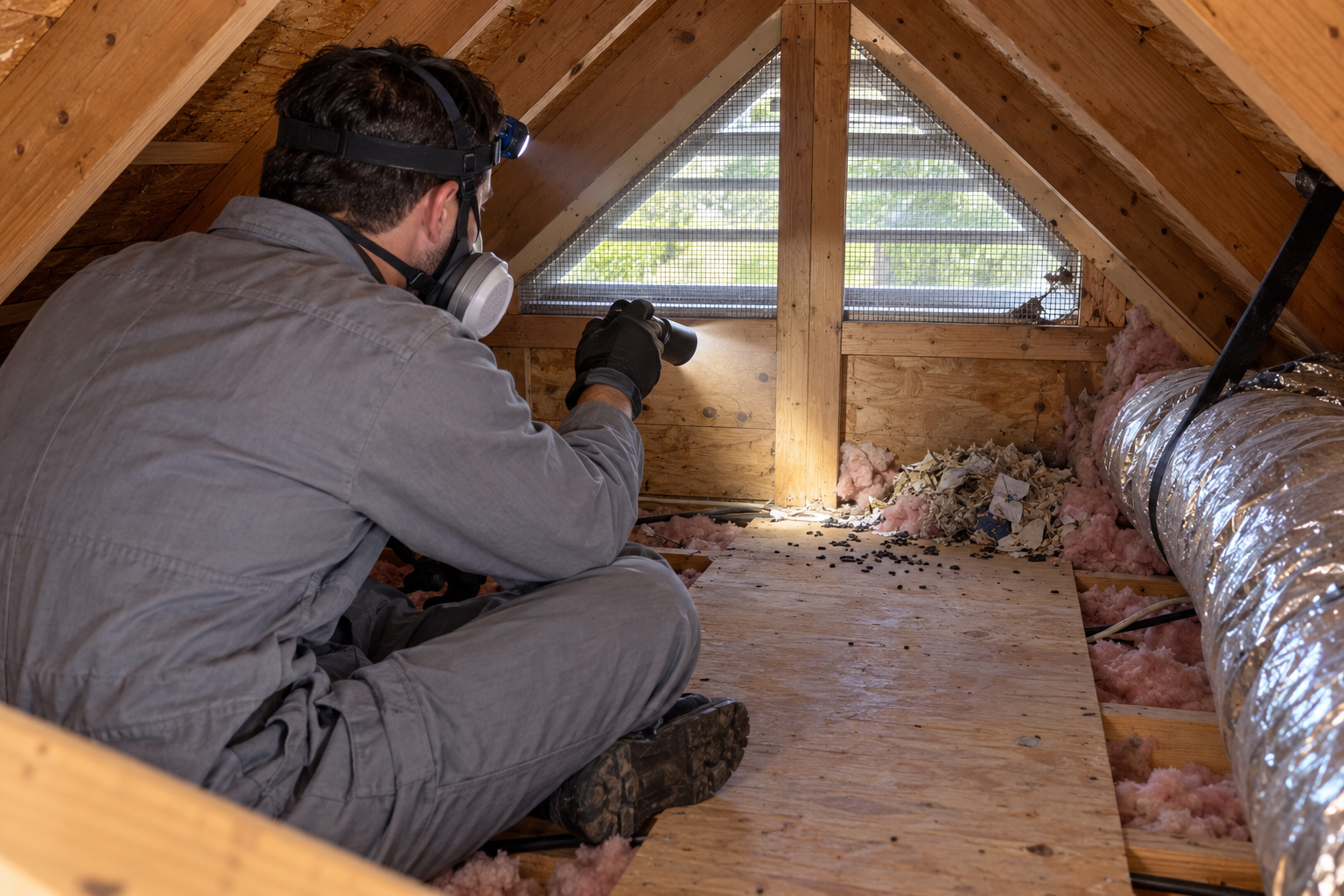
We recently completed a Rodent Control Fort Worth inspection in a newer property where the homeowner assumed attic noises were HVAC related. During our assessment, we found disturbed insulation, droppings near vents, and gnawed entry points along the roofline. The infestation had progressed quietly for weeks.
Rodent Control Fort Worth requires more than placing traps. It requires identifying structural vulnerabilities and sealing them correctly. At Rodent Retreat, our Rodent Control Fort Worth services include detailed roofline inspections, vent screening, and reinforcement of weak points. Our team is trained to perform exclusion work that meets professional standards and passes county inspection expectations with strong results.
We center our business on professional service. Our technicians undergo continuous education in safe removal practices, structural sealing methods, and sanitation procedures. That professional foundation is what makes Rodent Control Fort Worth effective long term.
Are Mice Common In Dallas?
Yes, mice are extremely common throughout Dallas and Fort Worth. House mice thrive in urban and suburban environments because they require very little space and reproduce rapidly. A single pair can multiply into dozens within months if left untreated.
Dallas homes provide ideal conditions. Garages store pet food. Pantries offer accessible food sources. Attics supply insulation for nesting. Once inside, mice establish travel paths inside wall cavities and along baseboards.
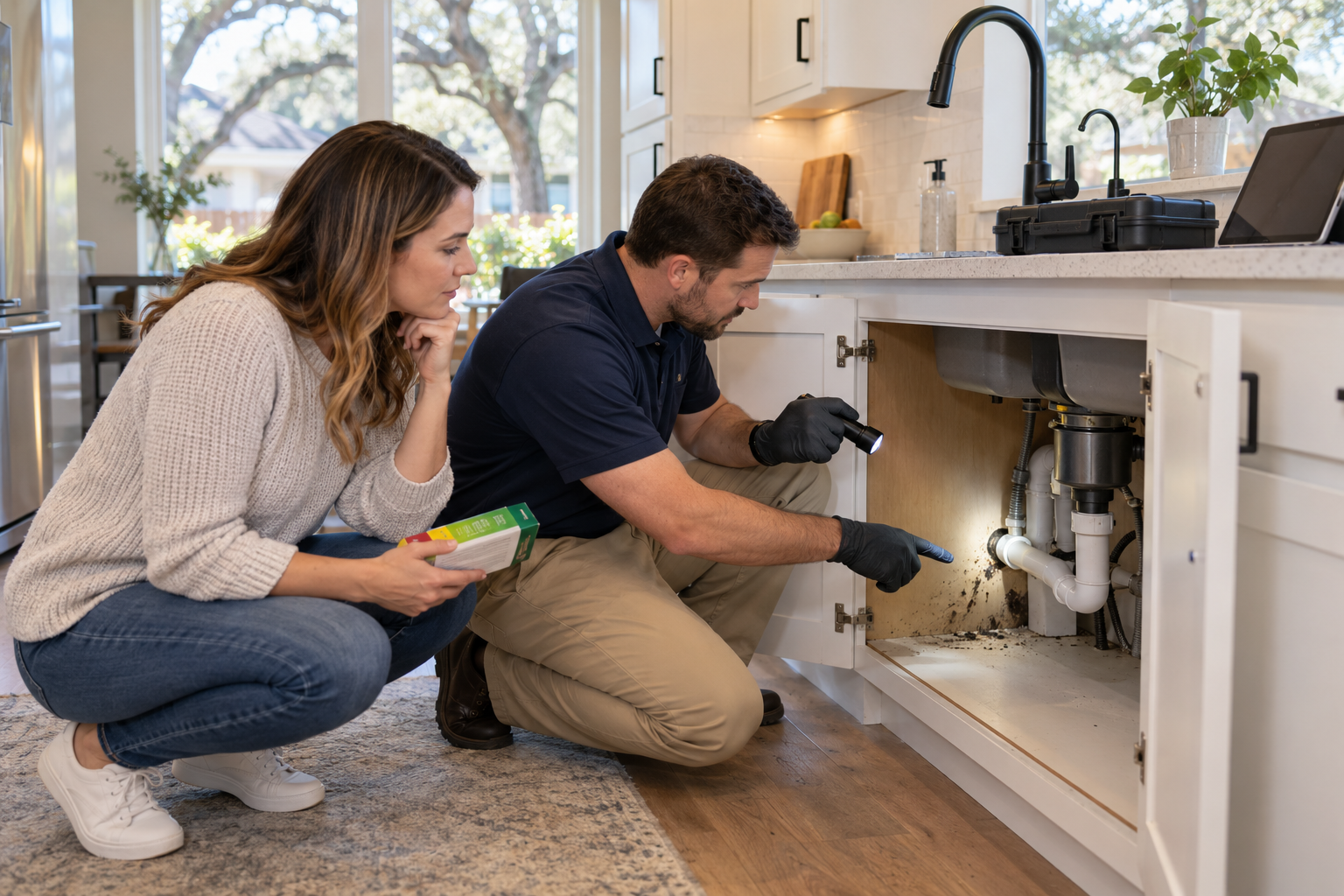
Homeowners often hear faint scratching at night or discover small droppings near cabinets. By the time these signs appear, the infestation may already be established.
Rodent Control Fort Worth services frequently address mouse infestations in both older homes and recently built properties. Construction quality alone does not prevent intrusion if small structural gaps remain unsealed.
At Rodent Retreat, our Rodent Control Fort Worth inspections determine whether the activity involves mice, rats, or a combination. Correct identification guides proper treatment. Our technicians are trained to analyze droppings, gnaw patterns, and nesting materials to ensure accurate diagnosis.
Professional expertise matters because each rodent species requires a specific control strategy.
Why Climate Plays A Major Role
Climate is one of the most significant drivers behind Rodent Control Fort Worth service calls.
During summer, attic temperatures can reach extreme levels. Rodents may initially nest outdoors but move indoors seeking temperature stability and reliable food access. Air conditioned interiors create a consistent environment.
In winter, even moderate cold fronts encourage rodents to enter attics and walls for warmth. Unlike northern regions where extended freezing periods reduce activity, Texas rodents remain active for most of the year.
Rodent Control Fort Worth professionals observe predictable spikes during seasonal transitions. When temperatures shift quickly, indoor invasions increase. Understanding these patterns allows homeowners to act proactively. Scheduling Rodent Control Fort Worth inspections before seasonal changes can prevent infestations rather than reacting after damage occurs.
AtRodent Retreat, we encourage proactive assessments. Our Rodent Control Fort Worth services include thorough seasonal evaluations designed to identify vulnerabilities before rodents exploit them.
Structural Gaps And Easy Entry Points
Modern homes are not rodent proof. Even newly built structures contain potential entry points. Small gaps around plumbing penetrations, roof vents, attic fans, and soffits create opportunities. Over time, foundation settling and weather exposure can widen these openings.
Once rodents gain access, they chew insulation, wood, and even electrical wiring. Damaged wiring increases fire risk. Contaminated insulation reduces air quality. Rodent Control Fort Worth must address both removal and structural reinforcement. Simply trapping rodents without sealing entry points invites reinfestation.
At Rodent Retreat, our Rodent Control Fort Worth process includes comprehensive exclusion work. Our technicians receive hands on training in sealing techniques, material selection, and structural reinforcement. We use durable exclusion materials and follow documented procedures to ensure lasting results. Our work is designed to meet professional standards and pass inspection benchmarks consistently.
This professional approach distinguishes long term Rodent Control Fort Worth from temporary fixes. For more insights, seeWhy Professional Rodent Control Matters More Than DIY Traps.
Why Early Action Matters
Rodent problems rarely resolve on their own. Small infestations expand quickly. Structural damage accumulates. Health risks increase. Homeowners often tell us they wish they had called sooner. What began as light attic noise evolved into damaged ductwork, contaminated insulation, and costly repairs.
Rodent Control Fort Worth is most effective when handled early. Early detection reduces repair costs and shortens remediation time.
At Rodent Retreat, our Rodent Control Fort Worth team operates with structured inspection protocols and professional training. We focus on thorough removal, detailed sanitation, and reinforced exclusion. Our goal is to complete the work correctly and prevent recurrence.
Conclusion
Rodent problems are common in Dallas and Fort Worth because of climate, rapid urban development, and accessible structural gaps.
Warm temperatures allow year round activity. Expanding neighborhoods push rodents toward homes. Attics and walls provide ideal nesting environments. The good news is that proactive action prevents major damage.
Rodent Retreat specializes in Rodent Control Fort Worth services designed around professional inspection, safe removal, and long term exclusion. Our technicians are trained extensively to identify vulnerabilities, apply proper sealing methods, and maintain standards that meet inspection requirements confidently.
If you hear scratching, notice droppings, or suspect rodent activity, do not ignore the signs. Rodents rarely leave on their own.Contact us today to schedule your Rodent Control Fort Worth inspection. Visit https://www.rodentretreattexas.com/ to protect your home with structured, professional service you can trust.
Follow our social media pages below: