How Often Should You Schedule Flower Mound Pest Control Services?
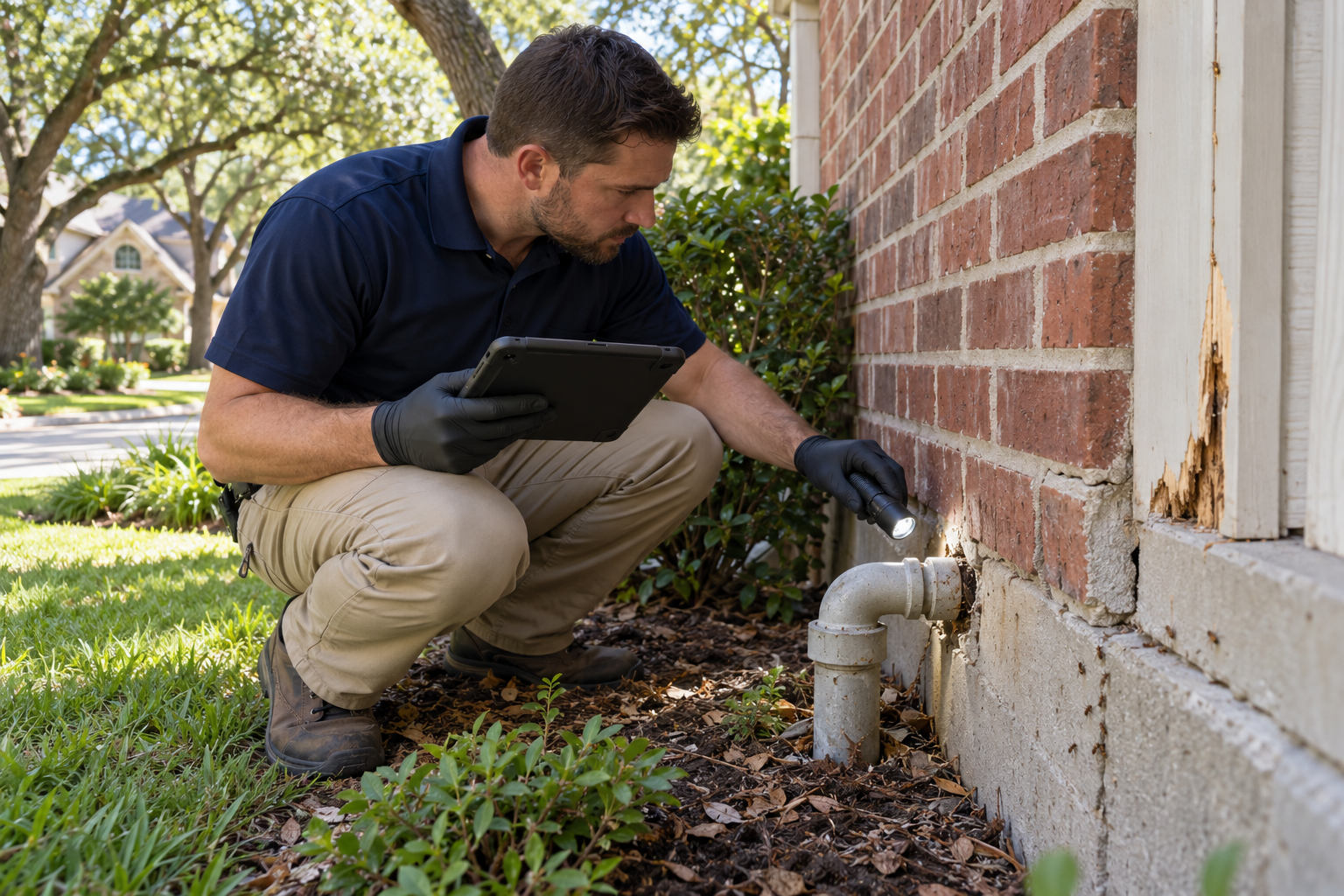
It usually starts with something small. You notice a few ants near the kitchen sink, hear scratching in the attic at night, or spot a spider in the garage. The temptation is to deal with that one problem and move on. But effective Pest Control is usually less about reacting to one pest and more about understanding how activity changes throughout the year.
At Rodent Retreat, we see different pest pressures as North Texas moves through warmer, wetter, cooler, and drier periods. Spring can bring ants and termite activity, summer increases mosquito pressure, and colder weather can push rodents toward attics, garages, and wall spaces. That is why flower mound pest control works best when the service schedule matches the property, surrounding environment, previous infestations, and the pests you are actually dealing with.
How Often Should You Schedule Pest Control in Flower Mound?
Most Flower Mound homeowners should consider at least an annual professional pest inspection, while homes with recurring pest problems, nearby wooded areas, greenbelts, ponds, open fields, or a history of infestations may benefit from more frequent seasonal or quarterly service. There is no single schedule that works for every property because ants, termites, rodents, mosquitoes, cockroaches, spiders, and other pests behave differently throughout the year. A home with no active infestation may primarily need routine inspections, exclusion checks, moisture control, and seasonal prevention. A property with recurring ants or rodents may need more frequent monitoring until the contributing conditions are under control. The U.S. Environmental Protection Agency recommends an Integrated Pest Management approach that focuses on prevention, accurate pest identification, monitoring, and targeted control rather than relying only on routine pesticide applications. For Flower Mound homeowners, the best schedule is therefore based on actual pest pressure, property conditions, season, and past activity rather than an automatic calendar alone.
Is Quarterly Pest Control Necessary in Flower Mound?
Not for every home. Quarterly service can make sense when a property has recurring pest activity or environmental conditions that consistently attract insects and rodents. Homes close to wooded areas, greenbelts, lakes, ponds, or open fields may face greater pest pressure because these areas naturally provide shelter, food, and moisture. Rodent Retreat's guide to professional pest control inspections in Flower Mound explains that inspection frequency should reflect the home's surroundings, history, and risk factors rather than follow one schedule for everyone. For a low-risk home with no history of recurring pests, an annual inspection combined with good prevention may be enough. For another property, quarterly monitoring may be much more practical.
Why Does Pest Control Frequency Change With the Seasons?
Pests do not behave the same way in every season. Spring often increases ant, termite, and general insect activity as temperatures rise.
Summer can bring mosquitoes, wasps, flies, and other outdoor pest problems, especially where standing water or moisture is available.
During fall, rodents may start looking for warmer shelter inside homes. Even winter can bring pest activity indoors because attics, garages, wall voids, and crawl spaces offer protection from colder conditions. Our seasonal pest control guide for Flower Mound homeowners explains how prevention priorities shift during the year and why a seasonal strategy can be more effective than waiting for visible infestations.
Should You Schedule Pest Control if You Do Not See Any Pests?
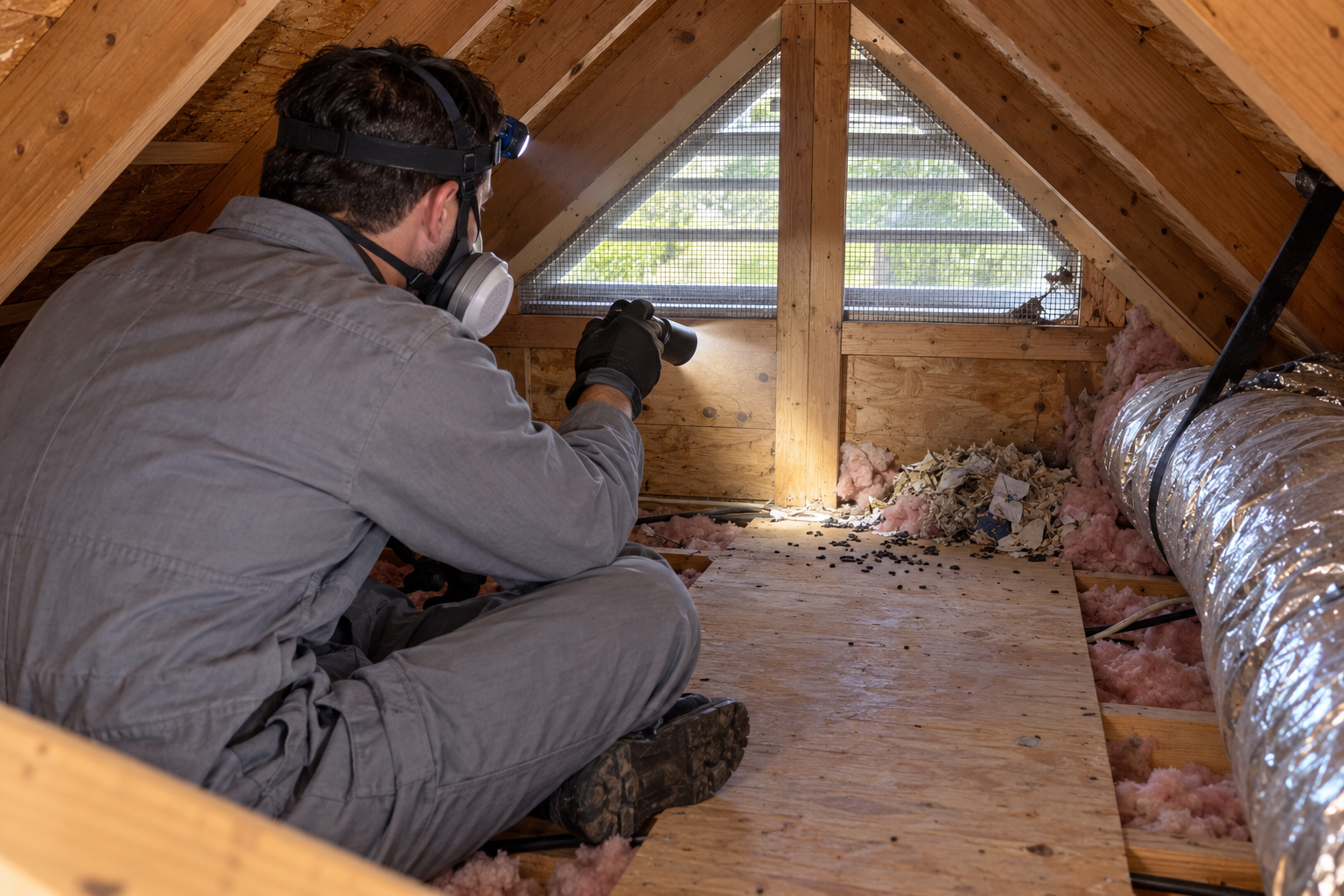
Yes, preventive inspections can still be useful even when you are not seeing obvious activity. Many pests spend most of their time in areas homeowners rarely inspect, including attics, wall voids, garages, crawl spaces, behind appliances, and around foundation gaps. Rodents can leave droppings, nesting material, rub marks, or gnawing damage before they are seen directly. Termites may also remain hidden while damaging wood. Our complete Flower Mound pest control guide recommends monitoring for early signs such as droppings, insect trails, nesting material, wood damage, moisture problems, and exterior entry points.
The goal of preventive Flower Mound pest control is to find conditions that attract pests before they become harder to manage.
What Factors Determine How Often You Need Pest Control?
Several things influence the right schedule. The first is your pest history. A home that has experienced repeated rodent or insect activity may need closer monitoring than a property that has remained pest-free. Location matters too. Nearby trees, water, open land, dense landscaping, and neighboring properties can all influence pest activity. Home condition also plays a major role. Cracks around doors, plumbing penetrations, roof gaps, damaged screens, moisture problems, clutter, and standing water all make it easier for pests to find food, water, or shelter. The EPA's Integrated Pest Management approach focuses on reducing these conditions first, then using targeted control methods when needed.
How Often Should You Inspect for Rodents?
Rodent checks are especially important before and during cooler weather. Mice and rats often look for warmer shelter when outdoor conditions change, and they can enter through surprisingly small gaps. Watch for droppings, gnawing, scratching sounds, shredded nesting materials, damaged food packaging, and unexplained odors. Rodent Retreat's Flower Mound rodent control guide discusses common signs of rodent activity and why early detection matters.
Homes with previous rodent problems may benefit from more frequent attic and exterior checks, particularly before fall and winter.
How Often Should You Schedule Pest Control for Ants and Insects?
The answer depends on how persistent the problem is. One isolated ant trail may not require the same service plan as repeated activity throughout kitchens, bathrooms, exterior walls, or electrical outlets. Spring and summer usually bring more insect activity in North Texas, which means monitoring may need to increase during warmer periods. Our Texas pest prevention guide recommends reducing food sources, fixing moisture problems, sealing cracks, and maintaining outdoor spaces as part of long-term insect prevention. The goal is to correct what keeps attracting the pests instead of simply treating the visible insects repeatedly.
Is One-Time Pest Control Enough?
Sometimes. A one-time service may be appropriate for a limited pest issue when the source is identified and corrected. But recurring problems often require more than one treatment. For example, spraying ants without sealing entry points or removing food sources may provide only temporary relief. Trapping rodents without correcting access points can allow new rodents to enter later. Rodent Retreat's article on timely pest control services and when to schedule them explains why long-term pest management combines inspections, monitoring, prevention, and targeted treatment rather than depending entirely on one-time service.
What Is Integrated Pest Management?
Integrated Pest Management, often called IPM, is a practical approach that combines prevention, monitoring, identification, and targeted control.
Instead of automatically treating every property the same way, IPM looks at why pests are present. That can include food availability, standing water, moisture, gaps around the structure, vegetation, clutter, or nesting areas. Rodent Retreat uses an IPM approach for flower mound pest control, beginning with inspection and then addressing entry points, moisture, attractants, pest identification, and appropriate treatment based on the situation.
This approach aligns with EPA guidance encouraging pest prevention and targeted treatment rather than unnecessary pesticide use.
What Can Homeowners Do Between Pest Control Visits?
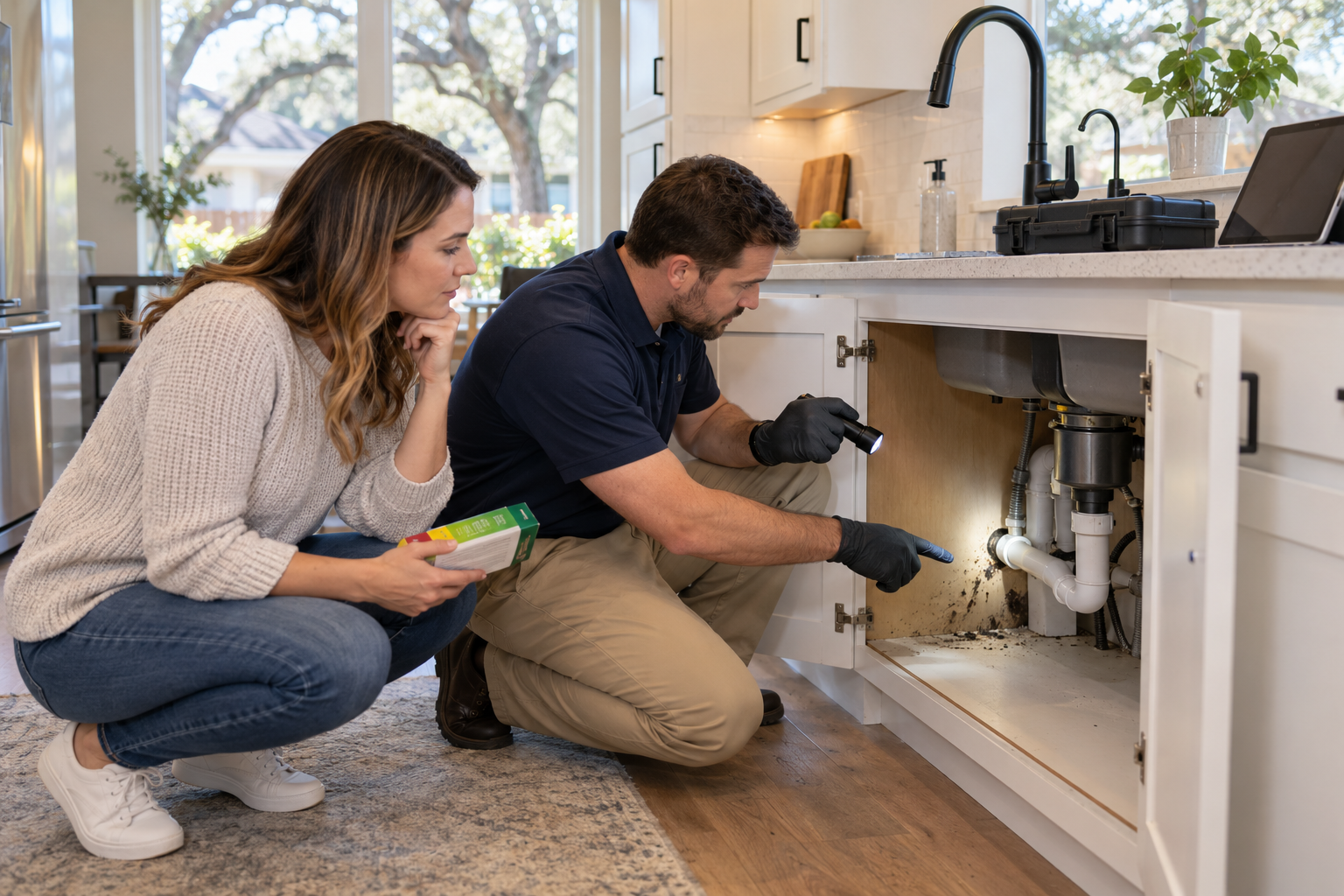
Good pest prevention continues between professional visits. Keep food sealed, clean crumbs and spills, repair plumbing leaks, remove standing water, and keep trash containers closed. Outside, trim vegetation away from exterior walls, keep gutters draining, remove clutter, and inspect doors, windows, utility penetrations, and foundation areas for openings. Rodent Retreat's pest prevention guide for Texas properties also recommends maintaining a clean environment, sealing potential entry points, and reducing moisture around the property. These steps do not replace professional service when there is an active infestation, but they can make the property less inviting to pests.
When Should You Schedule Pest Control Immediately?
Do not wait for the next planned visit if you discover clear evidence of an active infestation. That includes rodent droppings, frequent scratching noises, termites or suspected termite damage, repeated cockroach sightings, bed bugs, large wasp activity near entrances, or a rapidly growing ant problem.
You should also act sooner if pest activity appears in kitchens, bedrooms, food-storage areas, or areas used by children or pets. The earlier the problem is identified correctly, the more targeted the response can be. If you are unsure what type of pest you are dealing with, Rodent Retreat's Flower Mound pest control overview covers common local pests and signs homeowners may notice.
Why Choose Rodent Retreat for Flower Mound Pest Control?
At Rodent Retreat, we approach pest problems by looking at why they are happening, not just at the pest you happen to see that day.
Our Flower Mound pest control strategy uses inspection, pest identification, monitoring, exclusion, moisture reduction, sanitation recommendations, and targeted treatments where appropriate. That matters because different pests require different solutions. Rodents entering through roof gaps need a different approach from ants finding food indoors or mosquitoes breeding near standing water. Our goal is to build a practical plan around the home, the pest, the season, and the conditions supporting the activity That gives homeowners a clearer understanding of whether they need a one-time service, seasonal treatment, ongoing monitoring, or additional prevention work.
Frequently Asked Questions
Is Monthly Pest Control Necessary?
Usually not for every home. Monthly service may make sense for certain severe or ongoing infestations, but many properties can be managed with less frequent inspections and targeted treatments. The right schedule depends on the pest, property conditions, surrounding environment, and history of activity. A professional inspection can help determine whether monthly, quarterly, seasonal, or annual service is appropriate instead of automatically placing every home on the same schedule.
Is Quarterly Pest Control Worth It?
Quarterly pest control can be worthwhile for homes with recurring seasonal activity or higher pest pressure. It provides regular opportunities to inspect the property, identify new entry points, monitor pest populations, and adjust prevention as seasons change. However, a low-risk property with no recurring problems may not need the same frequency. Service intervals should be based on actual conditions rather than a one-size-fits-all plan.
What Time of Year Is Best for Pest Control in Flower Mound?
There is no single best season because different pests become active at different times. Spring is useful for addressing ants and termite activity, summer brings mosquito and outdoor insect pressure, and fall is an important time for rodent prevention. Winter can also reveal pests that have moved indoors. A year-round prevention plan is often more useful than waiting for one specific month.
How Often Should a Pest Control Company Inspect My Home?
Many homeowners can benefit from at least an annual inspection, while homes with previous infestations or higher-risk surroundings may need more frequent checks. Rodent Retreat notes that properties near wooded areas, greenbelts, lakes, or open fields can face greater pest pressure and may benefit from seasonal inspections.
Can Pest Control Prevent Rodents From Coming Back?
Pest control can reduce the chance of recurrence when it includes exclusion and prevention, not just trapping. Entry points need to be identified and sealed, food and nesting sources should be reduced, and the property should be monitored for new activity. No service can guarantee that wildlife or rodents will never approach a property again, but reducing access and attractants makes repeat infestations less likely.
Should I Schedule Pest Control Before Seeing Bugs?
Yes, preventive inspections can be useful before visible pests appear, especially if the property has a history of infestations. Inspecting entry points, moisture, attics, garages, exterior walls, and landscaping can identify conditions that support pest activity. Prevention is often easier than responding after a pest population has become established.
Final Thoughts
There is no universal Pest Control schedule that works for every Flower Mound home. For many properties, an annual inspection is a sensible starting point. Homes with recurring problems, previous infestations, wooded surroundings, nearby water, or stronger seasonal pest pressure may benefit from quarterly or seasonal service. What matters most is consistency. Watch for pest activity, reduce food and water sources, seal entry points, and adjust your prevention plan as conditions change. Good flower mound pest control should not be based only on how often someone sprays the property. It should be based on what pests are present, why they are there, and what will reduce the chance of them returning.
Build a Pest Control Schedule Around Your Home
If you are unsure how often your Flower Mound property should be inspected or treated, reach out to Rodent Retreat. We can assess the property, look for current pest activity and entry points, and help you determine whether annual, seasonal, or more frequent service makes sense for your situation.
Follow our social media pages below: