How to Tell If You Have a Rat Infestation Before It Gets Worse
Most homeowners do not realize they have rats until the infestation has already expanded. It often begins with faint scratching noises overhead during the evening or a few small droppings hidden behind storage boxes in the garage or attic. Because these early warning signs are easy to overlook, rodents are often allowed to reproduce undisturbed while damaging insulation, electrical wiring, wooden framing, and stored belongings. Recognizing these clues early allows homeowners to seek roof rat removal Texas before the infestation becomes much larger and significantly more expensive to resolve.
Texas provides ideal conditions for roof rats. Warm temperatures, mild winters, mature trees, and expanding residential neighborhoods create countless opportunities for rodents to move from outdoor nesting areas into homes. Once they gain access to an attic or wall cavity, they can remain hidden for weeks while continuing to multiply. Understanding the earliest warning signs, knowing when roof rats are most active, and scheduling prompt roof rat removal Texas helps protect your property from extensive structural damage and ongoing rodent activity.
What Are Signs Of Rats In A Loft?
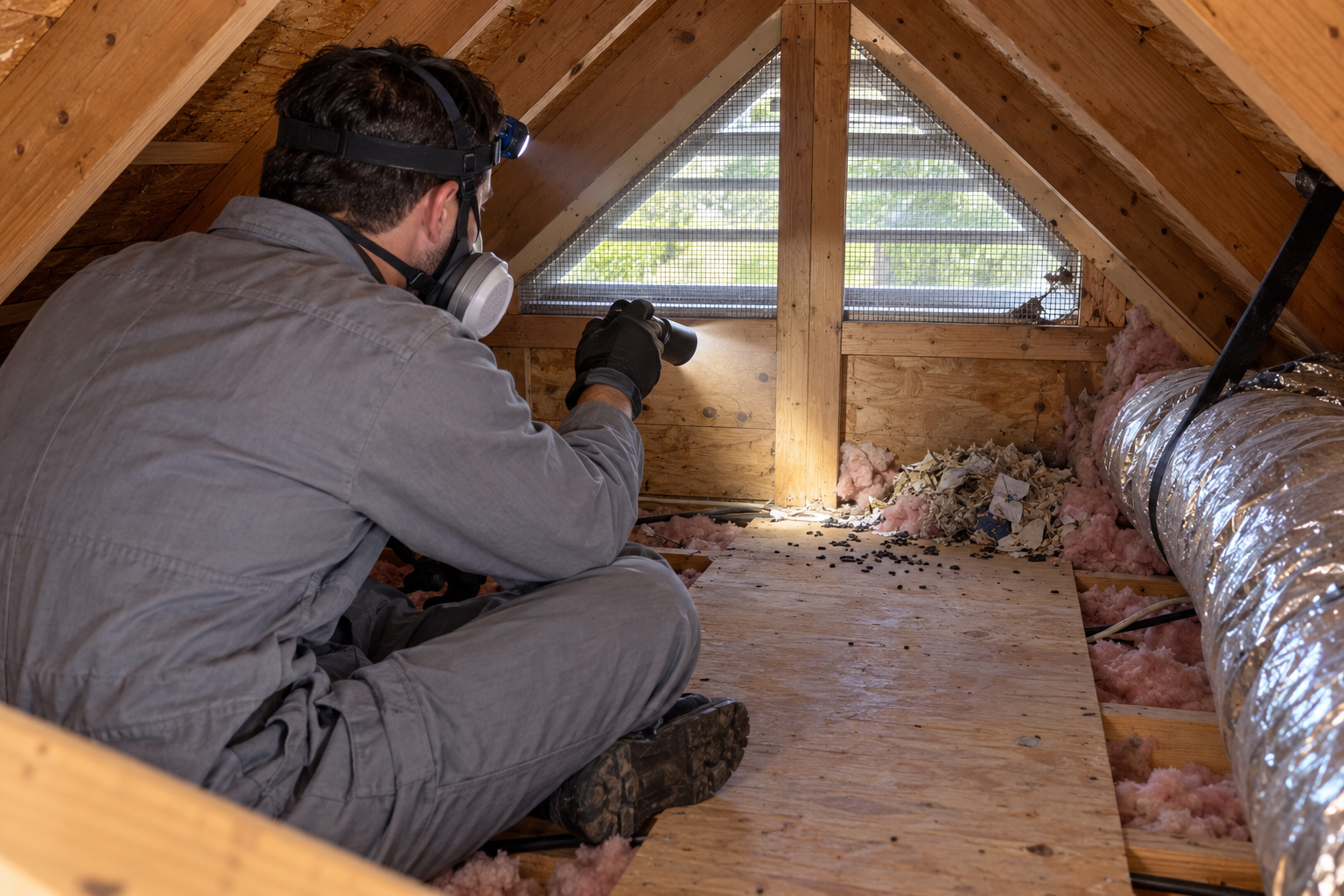
The attic or loft is one of the most common places where homeowners first discover roof rat activity because these quiet, undisturbed spaces provide ideal nesting conditions. One of the earliest warning signs is hearing scratching, scurrying, or light chewing sounds above the ceiling shortly after sunset or before sunrise. Since roof rats are nocturnal, they generally remain hidden during the day and become active once the home becomes quiet. Consistent nighttime activity should never be ignored because it often indicates an established infestation requiring professional roof rat removal Texas before the rodents spread throughout additional areas of the home.
Additional warning signs include fresh droppings, nesting materials, gnaw marks, unpleasant odors, and damaged insulation. Roof rats commonly gather shredded paper, cardboard, insulation, fabric, and other soft materials to build nests inside attics. Homeowners may also notice compressed insulation, stained surfaces, or chewed wooden framing and electrical wiring as rodents expand their nesting areas. Because attics are rarely inspected, infestations often continue unnoticed until substantial damage has already occurred. Scheduling an early attic rat removal inspection in Texas allows homeowners to locate nesting areas before expensive repairs become necessary, while improving long-term rodent inspection results in Texas.
What Time Of Night Are Rats Most Active?
Roof rats are generally most active from dusk until dawn. Shortly after sunset, they leave their nests in search of food, water, and nesting materials while avoiding human activity and natural predators. This is why many homeowners first notice scratching, running, squeaking, or chewing sounds shortly after going to bed or during the early morning hours before sunrise. Recognizing these predictable activity patterns is one of the simplest ways to identify a developing infestation before visible damage becomes widespread. Early roof rat removal Texas becomes much easier when homeowners respond to these consistent nighttime warning signs.
Although roof rats strongly prefer darkness, they occasionally become active during daylight hours if the infestation becomes overcrowded or nearby food sources become scarce. Daytime sightings should always be taken seriously because they sometimes indicate a much larger rodent population competing for available resources. Since homeowners spend very little time in attics during the evening, roof rats often remain hidden for weeks before anyone realizes they have moved inside. By the time scratching sounds become frequent, multiple generations of rodents may already be nesting throughout the attic. This is why routine rodent inspection services in Texas play an important role in preventing costly infestations before they become severe.
According to the
National Park Service, rodents seek dependable food, water, and shelter, making sanitation, exclusion, and routine inspections critical parts of long-term prevention. This is also an excellent opportunity to request quotes from several rodent control providers before making a decision. Compare inspection procedures, exclusion methods, warranties, follow-up visits, and long-term prevention recommendations rather than focusing solely on pricing. At Rodent Retreat, our roof rat removal Texas services emphasize comprehensive inspections and permanent exclusion because eliminating entry points provides homeowners with much greater long-term value than temporary treatments alone.
What Are Three Signs That You Have A Rat Infestation?
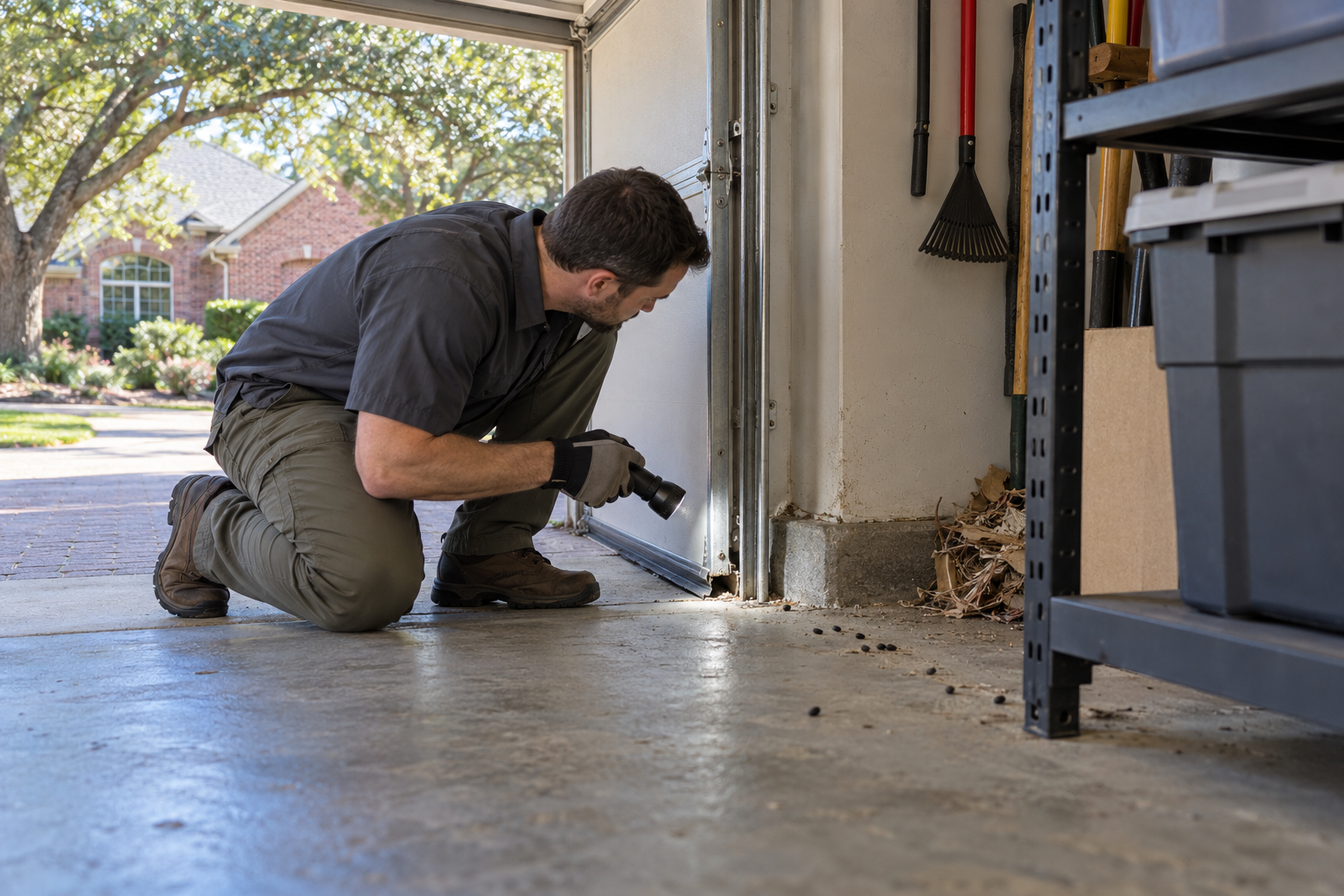
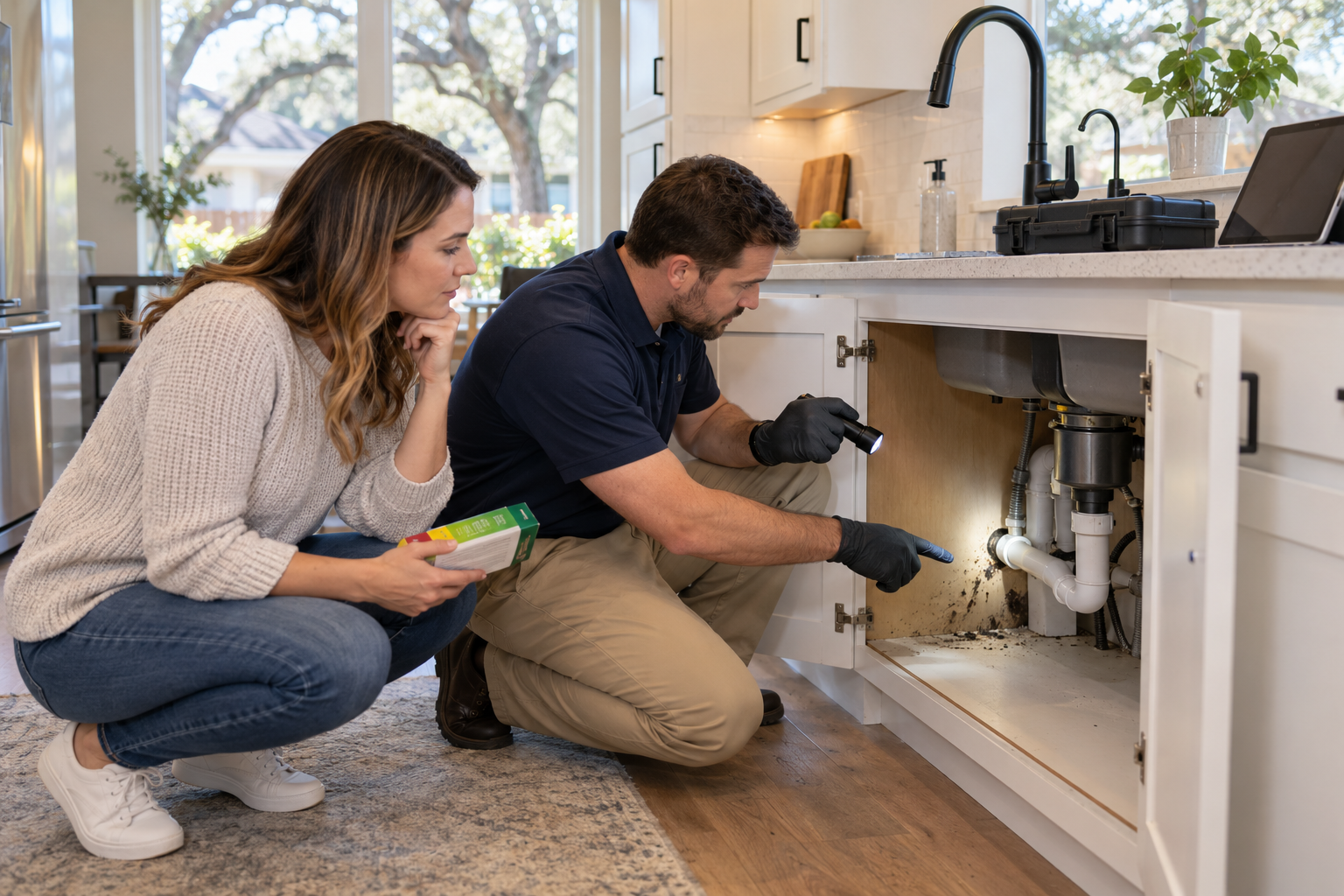
Although roof rats are extremely skilled at remaining hidden, they almost always leave behind evidence that homeowners can recognize if they know what to look for. One of the earliest and most obvious warning signs is the presence of droppings. Rat droppings are dark, pellet-shaped, and commonly appear along attic beams, inside garages, behind storage boxes, near pantry shelves, or along walls where rodents frequently travel. Fresh droppings are typically dark and moist, while older droppings become dry and brittle. Finding new droppings after cleaning is a strong indication that rodents are still actively using the area. Early identification of these signs allows homeowners to arrange roof rat removal Texas before the infestation expands into additional areas of the home.
The second major warning sign is persistent nighttime noise. Scratching, running, squeaking, or chewing sounds inside ceilings, walls, or attic spaces often begin quietly but become more noticeable as the rodent population increases. Roof rats usually follow the same travel routes each night while searching for food and water, which is why many homeowners notice the sounds occurring at nearly the same time every evening. The third warning sign involves property damage.
Roof rats constantly gnaw to keep their teeth from overgrowing, damaging wood framing, insulation, plastic piping, stored belongings, cardboard boxes, and electrical wiring. Damaged wiring requires immediate attention because it increases the risk of electrical shorts and potential fires. Homeowners may also discover shredded insulation, paper, or fabric that rodents use to construct nests, making prompt attic rat removal in Texas an important step toward limiting structural damage.
How To Tell If A Rat Infestation Is Gone?
Many homeowners assume their infestation has been eliminated simply because they no longer hear scratching sounds at night. While quieter evenings certainly indicate progress, confirming that roof rats are truly gone requires monitoring several additional signs over time. Successful roof rat removal Texas means there is no longer evidence of active rodent movement anywhere inside the property. Careful observation during the weeks following treatment provides the best indication that the infestation has been completely resolved rather than temporarily reduced.
One of the clearest indicators is the absence of fresh droppings. After thoroughly cleaning affected areas, homeowners should continue inspecting attics, garages, storage rooms, and previous travel routes over the following several weeks. If no new droppings appear, it suggests rodents are no longer moving through those areas. Likewise, homeowners should look for the absence of fresh gnaw marks, newly disturbed insulation, nesting materials, grease marks along walls, damaged food packaging, or unusual odors. Nighttime silence is another encouraging sign. When scratching, running, or chewing noises disappear entirely during the hours when roof rats are normally active, the infestation has likely been eliminated. Continued rodent inspection Texas helps confirm that rodents have not returned through newly developed entry points.
Follow-up inspections remain an important part of long-term prevention because homes naturally change over time. Storm damage, aging roofing materials, tree growth, shifting foundations, or deteriorating seals around vents and utility penetrations can create new access points months after treatment has been completed. At
Rodent Retreat, we recommend periodic evaluations after every roof rat removal project in Texas to verify that exclusion work remains intact and to identify potential vulnerabilities before another infestation develops. This proactive approach strengthens long-term rat control in Texas while providing homeowners with greater confidence that their property remains protected.
Why Do Rats Keep Coming Back To The Same House?
Recurring infestations almost always indicate that the conditions attracting rodents were never fully corrected. Removing roof rats without addressing available food sources, nesting opportunities, or structural entry points often provides only temporary relief. Roof rats are creatures of habit and will continue returning to locations where they previously found dependable shelter and easy access to food. This is why lasting roof rat removal Texas focuses on preventing future infestations rather than simply removing the rodents currently present.
Homes with overhanging tree branches, dense landscaping, uncovered pet food, overflowing trash containers, compost piles, bird feeders, or unsealed attic openings naturally become attractive to roof rats. Even after one infestation has been removed, new rodents exploring the neighborhood may discover the same favorable conditions if nothing has changed. Structural vulnerabilities also contribute significantly to recurring infestations.
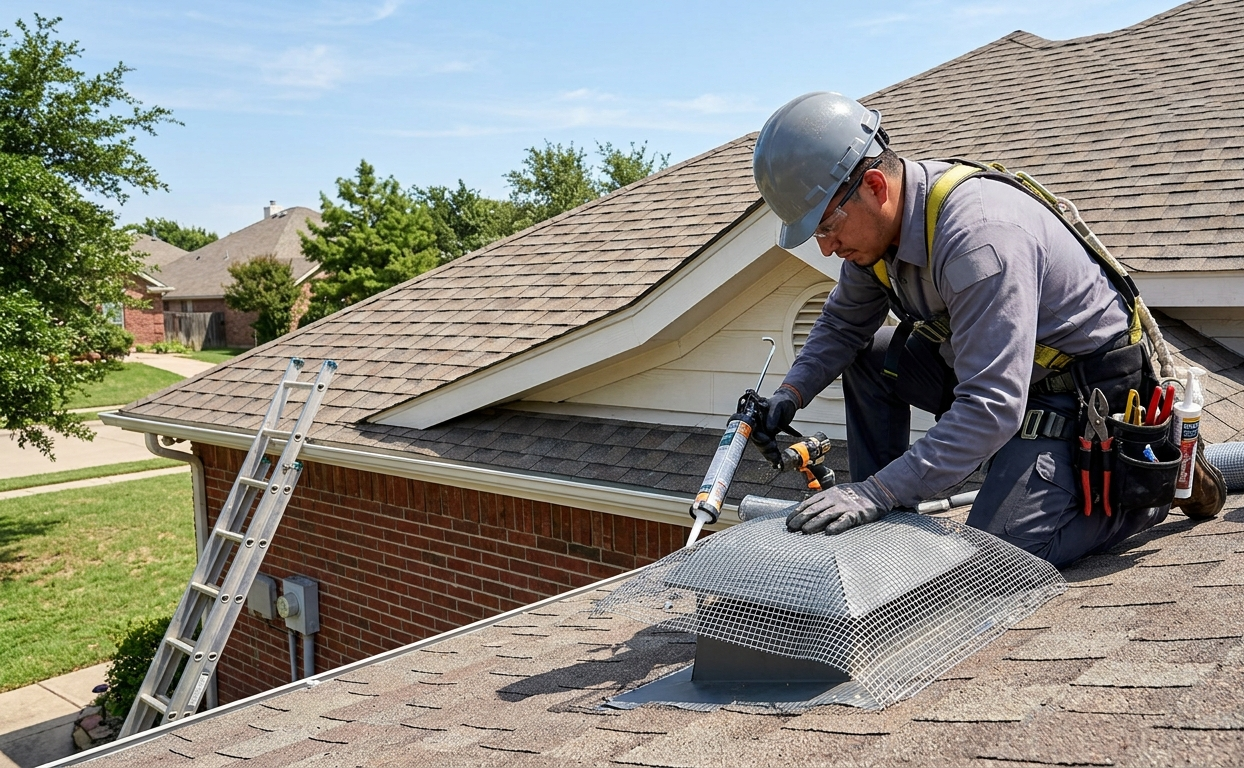
Small openings around roof vents, soffits, chimneys, utility penetrations, fascia boards, or garage doors often allow rodents to re-enter if exclusion work is incomplete. Because roof rats are exceptional climbers, elevated entry points often go unnoticed during routine homeowner inspections, making professional attic rat removal evaluations in Texas especially valuable.
How To Prevent A Future Rat Infestation
Preventing another infestation requires more than simply removing the rodents currently inside the home. Long-term success depends on making the property less attractive while eliminating opportunities for roof rats to return. Effective roof rat removal Texas always includes prevention because rodents will continue searching for reliable food, water, and shelter throughout the year. Homeowners who combine routine maintenance with professional inspections significantly reduce the likelihood of future infestations while protecting their homes from unnecessary damage.
Begin by inspecting the home's exterior several times each year. Roof vents, soffits, fascia boards, attic openings, utility penetrations, garage doors, and chimney flashing should all be checked carefully for small gaps or damaged materials. Even tiny openings can provide enough space for roof rats to enter. Tree branches should be trimmed to several feet above the roofline because they often serve as bridges that allow rodents to access the upper portions of the home.
Good sanitation is equally important. Trash containers should remain tightly sealed, birdseed and pet food should be stored in secure containers, fallen fruit should be removed promptly, and food should never be left outdoors overnight. Periodic attic inspections help identify fresh droppings, damaged insulation, nesting materials, or new entry points before another infestation develops. At Rodent Retreat, we emphasize prevention because protecting the home after successful roof rat removal Texas is the most effective way to avoid future rodent problems. Combining exclusion, sanitation, and regular inspections provides homeowners with dependable rat control Texas throughout every season.
Why Early Action Saves Homeowners Money
One of the biggest mistakes homeowners make is waiting until rodent activity becomes impossible to ignore. Unfortunately, roof rats continue reproducing and causing damage long before major warning signs appear. What begins as a few quiet scratching sounds can quickly become contaminated insulation, chewed electrical wiring, damaged storage boxes, and extensive cleanup costs. Prompt roof rat removal Texas helps minimize these problems by addressing infestations while they remain relatively small and easier to manage.
Early inspections often reveal hidden issues that homeowners would otherwise overlook. Fresh droppings, grease marks, nesting materials, roof entry points, or damaged insulation may all indicate developing infestations before structural damage becomes severe. Correcting these issues early usually requires less extensive restoration work than waiting until rodents have occupied the attic for several months. You’ll find useful guidance in
How Do Exterminators Get Rid of Rats in Walls Without Damage?
Final Thoughts
Roof rats rarely disappear on their own once they have established nesting areas inside an attic. Instead, they continue searching for food, expanding their nests, and reproducing, causing damage that often goes unnoticed until the infestation becomes significant. Recognizing early warning signs such as nighttime scratching sounds, droppings, gnaw marks, nesting materials, and unusual odors allows homeowners to respond before costly repairs become necessary. Consistent roof rat removal Texas combined with preventative maintenance provides the strongest defense against long-term rodent problems.
Routine inspections, proper sanitation, landscaping maintenance, and professional exclusion work all contribute to a healthier and safer home. Whether you have noticed unusual noises overhead or simply want to reduce the risk of future infestations, acting early almost always produces better results. Investing in dependable roof rat removal Texas today helps protect your home, your belongings, and your family's peace of mind for years to come.
Protect Your Home Before The Problem Gets Worse
If you've noticed signs of roof rats or simply want greater confidence that your attic remains protected, our team is here to help. We provide comprehensive roof rat removal Texas services that include detailed inspections, customized trapping plans, professional exclusion work, sanitation recommendations, and long-term prevention tailored to your property. Every inspection focuses on identifying both current activity and the conditions that allow rodents to enter so homeowners receive solutions that last. To learn more about our services or schedule a professional inspection. We look forward to helping you keep your home safe, clean, and free from roof rats.
Follow our social media pages below: